Mounting and balancing
For all installed tires.
Clear facts for everyday decisions
Auto · Money · Health · Work · Travel

Are your tires still doing their job, or quietly working against your safety and fuel efficiency? Tire replacement services have evolved into a more nuanced decision than simply swapping worn rubber for new sets.

At a glance
Are your tires still doing their job, or quietly working against your safety and fuel efficiency? Tire replacement services have evolved into a more nuanced decision than simply swapping worn rubber for new sets. Between performance considerations, seasonal changes, pricing structures and service bundles, the process now sits at the intersection of safety, cost control and long-term vehicle care. Understanding how tire replacement services work can help drivers make choices that feel less reactive and more strategic.
Stop 1 of 8
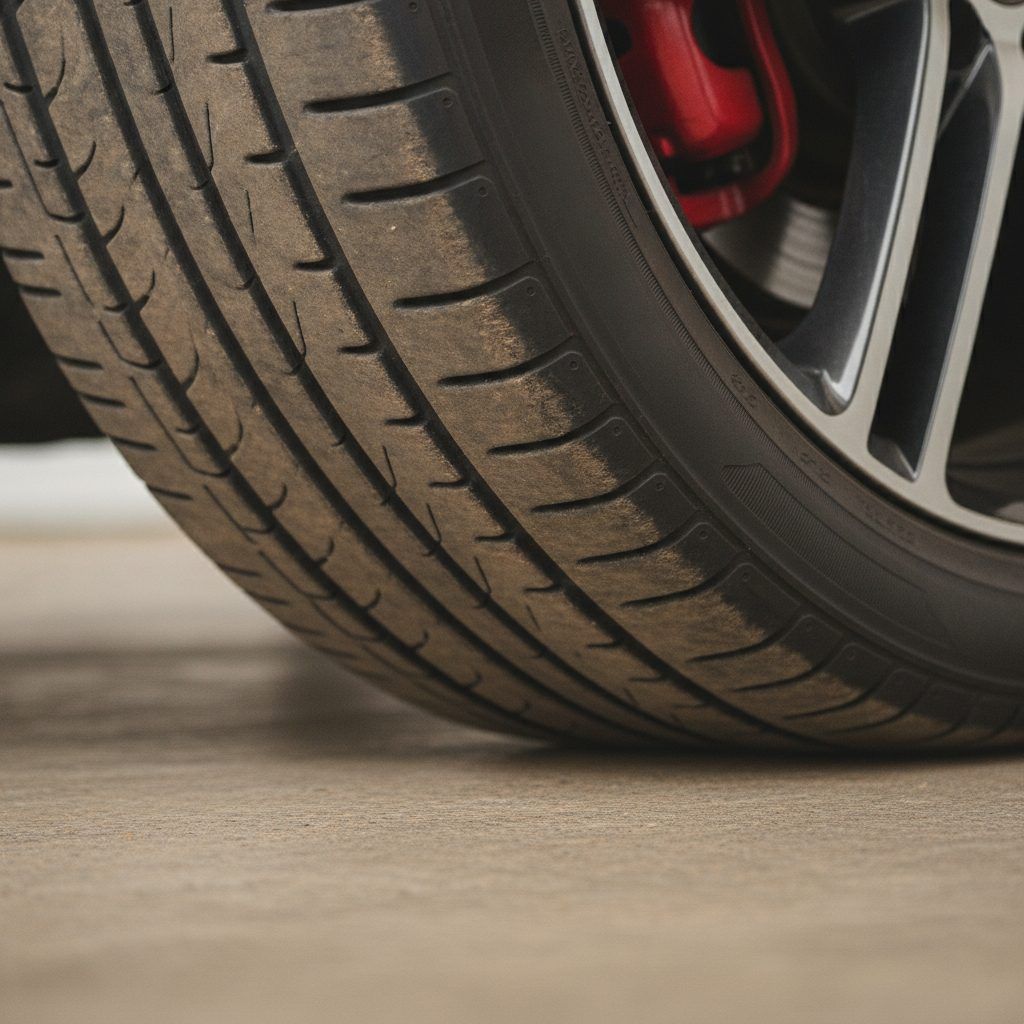
Tire wear rarely announces itself dramatically, yet its impact builds gradually until performance noticeably declines. Drivers often wait for visible tread loss or a warning light, but subtle signs such as longer stopping distances or reduced traction in wet conditions tend to surface earlier.
Replacement timing is not just about mileage; driving habits, road conditions and climate all shape how quickly tires degrade.
Diagram
Ignoring these signals introduces more than inconvenience. Worn tires compromise braking efficiency and increase the risk of hydroplaning, while uneven wear patterns can indicate alignment or suspension issues that may worsen over time.
Tire replacement services are structured to address both the immediate need for new tires and the underlying factors contributing to wear, offering a more complete reset rather than a simple product swap.
Before you go
Tire wear rarely announces itself dramatically, yet its impact builds gradually until performance noticeably declines.
Stop 2 of 8
Modern tire replacement services extend beyond installation, often bundled into packages that emphasize convenience and long-term value. While the core offering remains mounting and balancing, many providers now include alignment checks, tire disposal and warranty coverage within a single transaction.
These bundled services can influence overall cost but may reduce future expenses tied to premature wear.
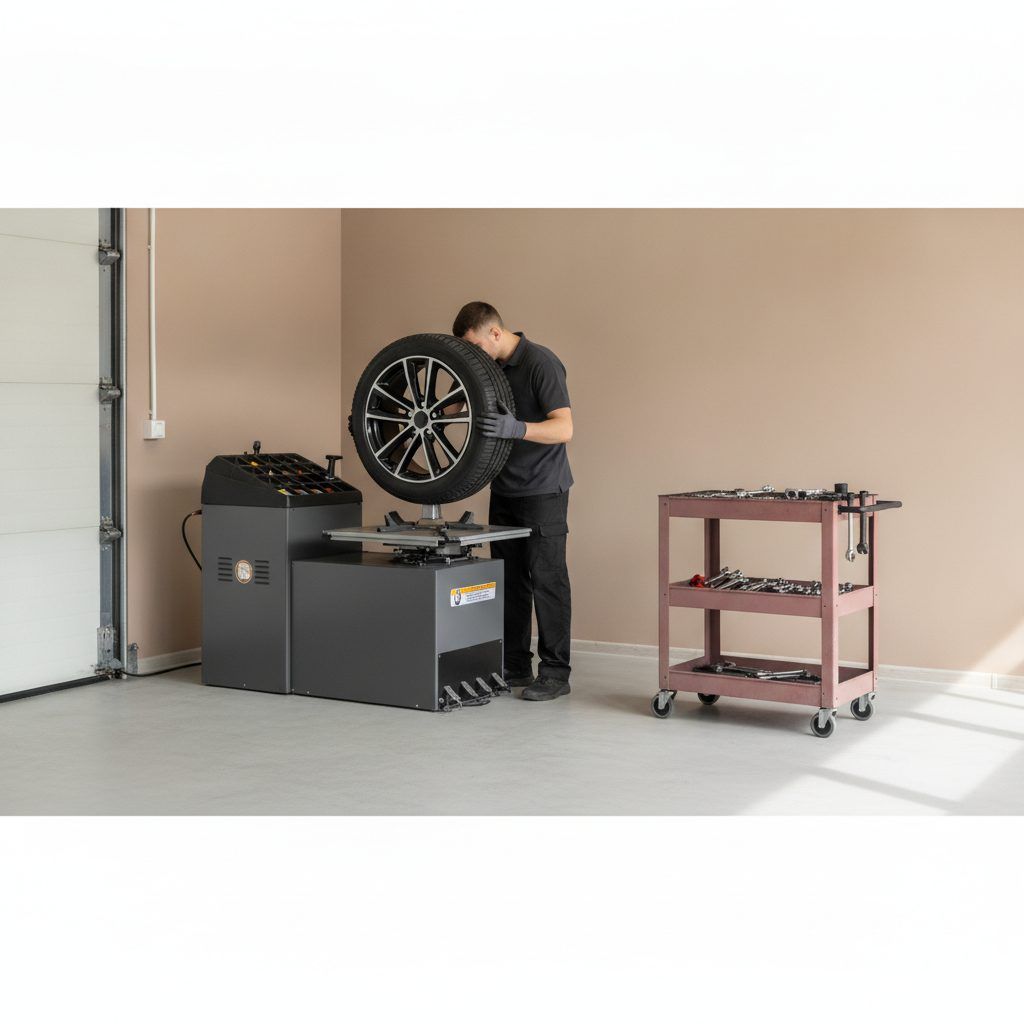
Service packages also vary based on the type of tire selected. Performance tires, all-season options and specialized winter sets often come with tailored installation processes and maintenance recommendations.
Some providers offer lifetime balancing or rotation programs, positioning tire replacement as an ongoing relationship rather than a one-time purchase. Evaluating what is included can shift the decision from price alone to overall service value.
For all installed tires.
Replacement or inspection.
Handled in compliance with regulations.
Basic alignment checks or discounted alignment services.
Covering defects or road hazards.
Stop 3 of 8
Tire replacement pricing can feel inconsistent at first glance, largely because the advertised tire price rarely reflects the final total. Installation fees, balancing charges, disposal costs and optional services contribute to the full expense.
Premium tires naturally command higher upfront prices, but they may offer longer tread life or improved fuel efficiency, offsetting costs over time.
Diagram
Seasonal promotions and bundled deals often provide opportunities for savings, particularly when retailers aim to move inventory during peak transition periods. Financing options and installment plans have also become more common, making higher-end tires more accessible without requiring a single large payment.
Stop 4 of 8
Selecting the right tire involves balancing performance priorities with practical realities. All-season tires remain the default choice for many drivers due to their versatility, but they may not excel in extreme conditions. Performance tires enhance handling and responsiveness, while winter tires deliver superior traction in cold environments but require seasonal changes.
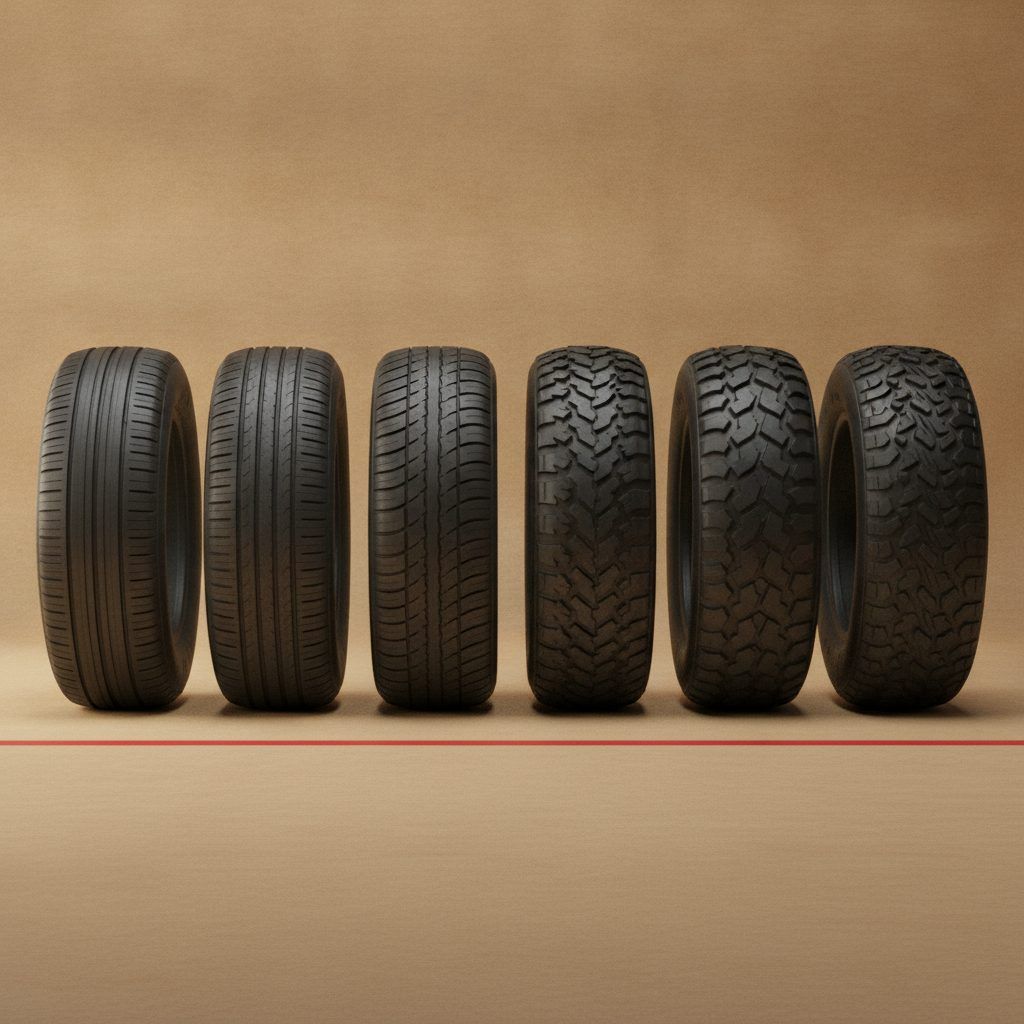
Balanced performance across conditions. The default for many drivers, though not always at its best in extremes.
Focused on handling and responsiveness.
Designed for comfort and longevity.
Optimized for cold-weather traction; requires seasonal changes.
Suited for mixed road surfaces.
Driving style also plays a significant role. Replacement services often include consultation to help match tire characteristics with real-world use, turning what could be an overwhelming decision into a more guided process.
| Driving pattern | Tires that tend to suit it |
|---|---|
| Frequent highway driving | Designed for durability and fuel efficiency |
| Urban, frequent stops | Optimized for grip and braking |
| Cold environments | Winter tires for superior traction, changed seasonally |
| Drawn from the article's guidance on driving style and tire categories. | |
Stop 5 of 8
Digital tools have reshaped how drivers approach tire replacement. These developments reflect a broader shift toward convenience and personalization, making tire replacement more accessible without sacrificing quality.
Online platforms now allow users to compare prices, read performance ratings and schedule installations without visiting a physical location. Many services integrate vehicle data to recommend compatible tire options, reducing guesswork and minimizing the risk of mismatched selections.
In-store technology has also advanced. Modern balancing machines and alignment systems improve precision, helping extend the lifespan of new tires.
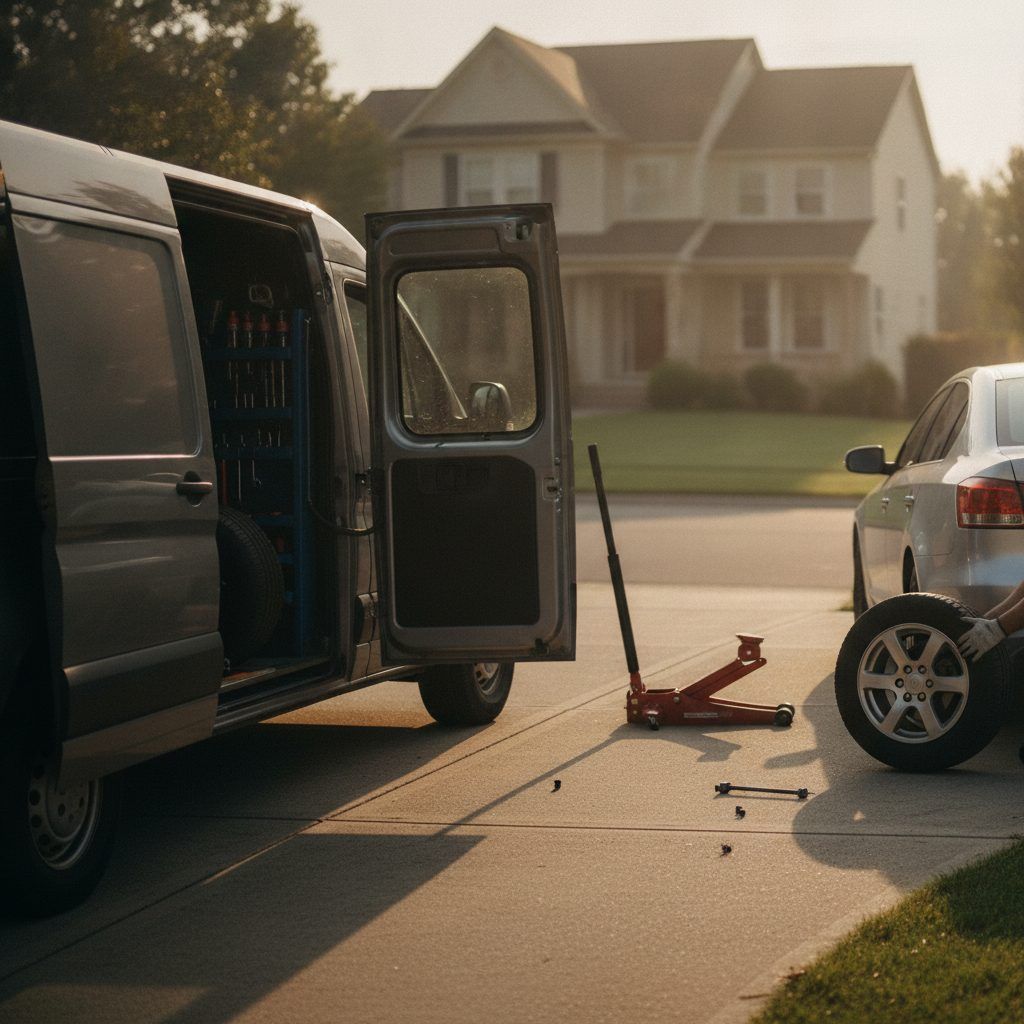
Some providers even offer mobile installation services, bringing equipment directly to a driveway or workplace.
Stop 6 of 8
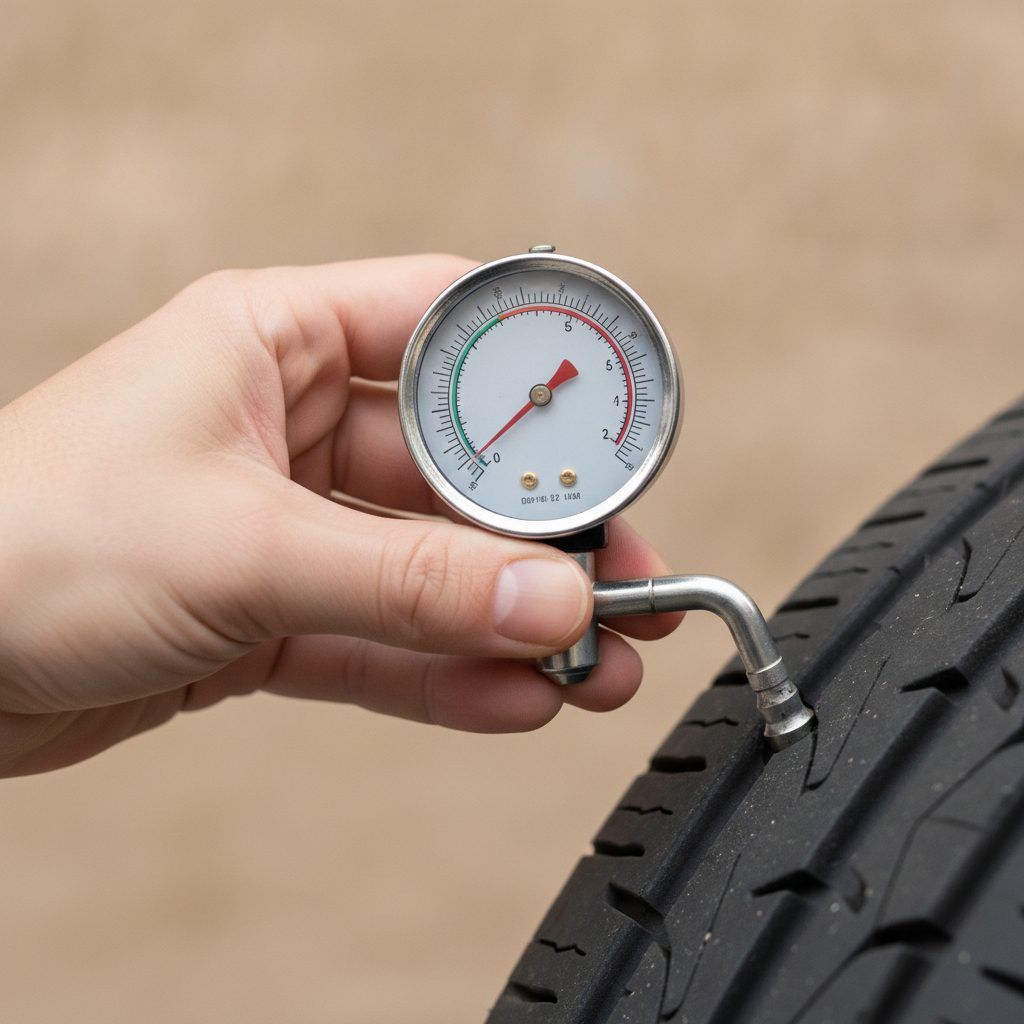
Tire replacement does not mark the end of maintenance. Ongoing services such as rotations, pressure checks and alignments play a crucial role in preserving the investment.
At recommended intervals, to keep wear even across all tires.
Monitor and adjust for safety and fuel efficiency.
Correct tracking issues and prevent uneven wear.
Look for damage or irregular wear.
Seasonal swaps for specialized tires.
Many service providers bundle maintenance into replacement packages or offer subscription-style programs that include periodic checkups. These programs shift the focus from reactive repairs to proactive care, helping drivers avoid premature replacements and unexpected costs.
Stop 7 of 8
Warranty offerings have become a central part of tire replacement services, providing reassurance against defects and unexpected damage. These protections can influence purchasing decisions, particularly for higher-priced tire categories.
Questions people ask
Manufacturer warranties typically cover issues related to workmanship and material defects.
Additional protection plans may include road hazard coverage for punctures or impacts, the kind of unexpected damage a defect warranty does not address.
Often, yes. Some warranties require regular maintenance records, while others limit claims based on mileage or time.
Protection plans often add to the upfront cost but can reduce financial risk in the event of early damage. Weigh them as part of the overall purchase.
Stop 8 of 8
Approaching tire replacement as a strategic decision rather than a routine expense can reshape how drivers manage their vehicles. The right combination of tire selection, service quality and ongoing maintenance contributes to improved safety, better fuel efficiency and a more predictable ownership experience.
Each replacement cycle becomes an opportunity to refine choices based on driving habits and performance expectations.

Tire replacement services are less about reacting to wear and more about maintaining control over how a vehicle performs over time.
Decisions made at this stage ripple outward, influencing comfort, cost and confidence behind the wheel in ways that extend far beyond the tires themselves.
Destination
Watching for early signs, reading what a package includes and pricing the full total make each replacement cycle safer and more predictable.
Educational only. FactAvenue explains options in plain language. It is not professional automotive, safety or financial advice.