Severe facial trauma
Where reconstruction is required.
Clear facts for everyday decisions
Auto · Money · Health · Work · Travel

Are dental implants ever realistically available through public dental services, or are they largely out of reach for most people? The answer sits somewhere in between.

At a glance
Are dental implants ever realistically available through public dental services, or are they largely out of reach for most people? The answer sits somewhere in between. Access exists, but it is tightly shaped by clinical need, eligibility, and limited resources. For those trying to understand where they stand - especially when costs feel overwhelming - the landscape can seem unclear, even before the first appointment is booked.
Stop 1 of 7
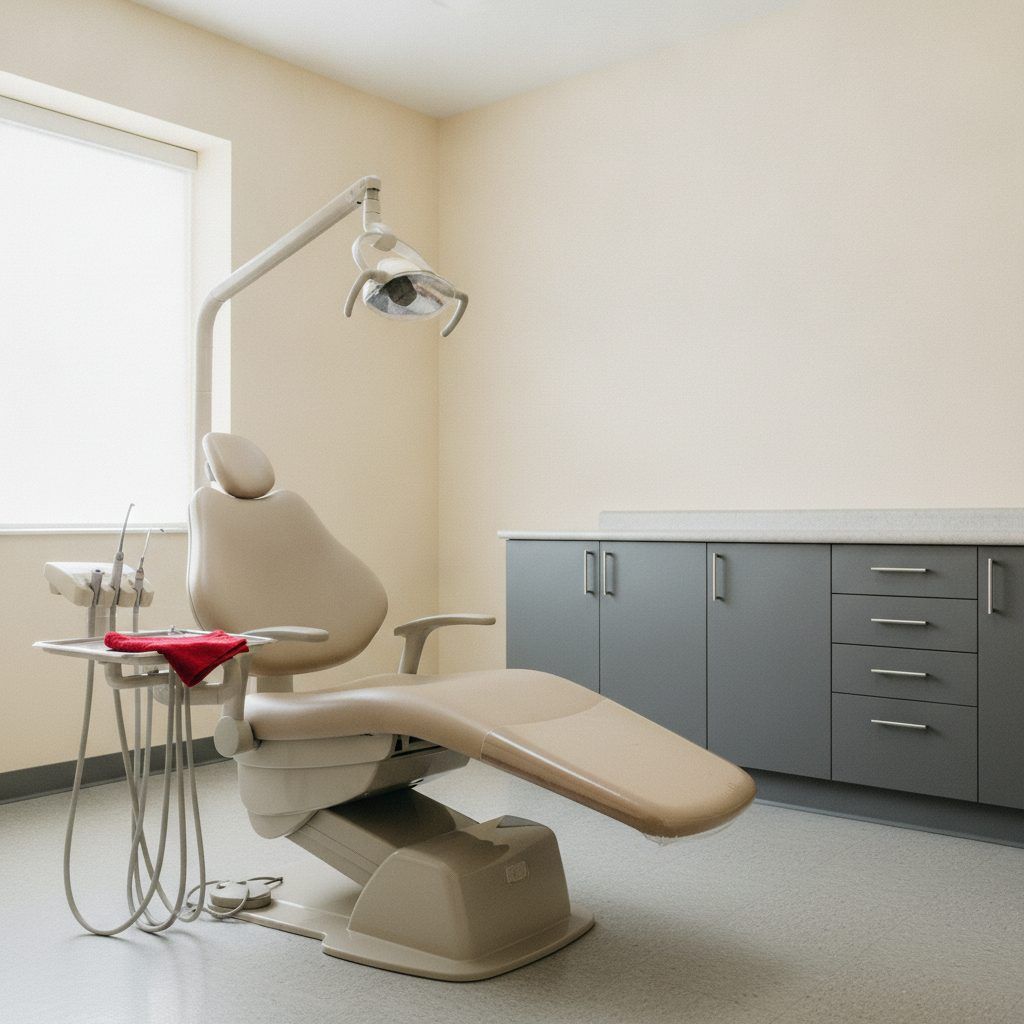
Public dental services are typically delivered through state-funded oral health programs, often operating out of a public dental clinic or a community dental clinic. They are designed to prioritise essential care - check-ups, fillings, extractions and urgent treatments - rather than complex elective procedures.
Their mandate is to preserve function and prevent deterioration, particularly for people who may not otherwise afford private care.
Dental implants sit outside this core focus. They are considered specialist-level treatments, involving surgical placement, prosthetic work and often multidisciplinary planning. Because of this, implants are not routinely offered through public systems. Instead, care is triaged based on urgency, pain and functional impairment, meaning implants are rarely a first-line option.
Diagram
Even when a public dental clinic provides access to specialist services, availability depends on funding cycles, workforce capacity and waiting lists.
The result is a system that can support basic oral health reliably, but offers advanced treatments only under constrained and selective circumstances.
Stop 2 of 7
The phrase "government funded dental implants" often suggests broad access, but in practice it refers to a narrow set of clinical pathways. Funding is usually tied to specific medical conditions or reconstructive needs rather than general tooth replacement.
Implants may be considered where they serve a clear therapeutic purpose beyond aesthetics. This includes cases where conventional dentures or bridges are not viable or would significantly compromise function. The decision is typically made by specialist teams, not at the initial consultation level.

Where reconstruction is required.
Rehabilitation following cancer treatment affecting the jaw.
Where missing teeth from birth impair function.
Significant bone loss or structural issues.
Stop 3 of 7

Eligibility for public dental services is shaped by a combination of financial and clinical factors. Holding a concession card often plays a central role, but it is not the sole determinant.
Select a factor below to see how each one shapes access.
A Health Care Card dental pathway may provide access to reduced fees or priority scheduling, yet it does not guarantee eligibility for advanced procedures like implants.
Income thresholds vary across jurisdictions. Applicants may need to demonstrate financial hardship or limited capacity to access private care.
Clinical need is equally important, particularly when resources are limited and demand is high.
Senior citizen dental access follows a similar pattern. Age alone does not create entitlement to implants. Eligibility tends to depend on concession status and whether the person's condition significantly affects eating, speaking or overall health.
Stop 4 of 7
The cost of dental implants reflects the complexity of the procedure. It is not a single service but a sequence of steps, each contributing to the overall price.
Carries its own cost.
The implant is placed surgically.
A stage of its own in the sequence.
The final restoration, priced separately.
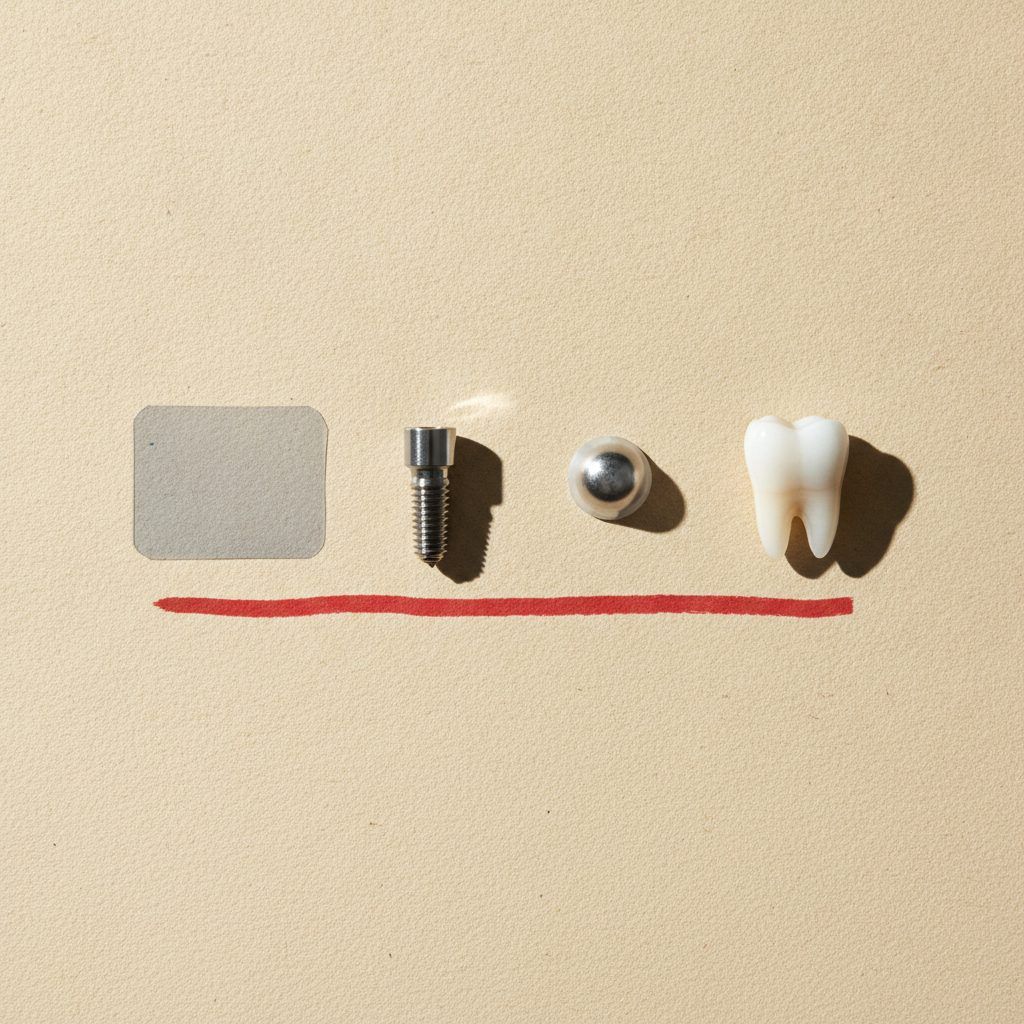
When considering dental implant costs in Australia, figures can vary widely depending on location, provider expertise and case complexity. While public dental services may reduce costs for eligible patients, fees can still apply, particularly for specialist components or laboratory work.
For those exploring options, clarity around pricing becomes essential.
Before you go
Stop 5 of 7
Facing dental problems without financial resources can feel paralysing, particularly when the issue affects daily comfort or confidence. While implants may not be immediately accessible, there are pathways within public dental services that can address urgent needs and stabilise oral health.
For those who feel "I need dental work but have no money," alternatives often become part of the conversation. Dentures, bridges or interim solutions can restore function at a lower cost and may be available sooner through public channels.
These routes may not deliver immediate access to implants, but they can prevent further deterioration and open the door to future options.
Stop 6 of 7
Access to public dental services is often defined by time as much as eligibility. Waiting lists can extend for months or even years, particularly for non-urgent procedures. Urgent care - such as infections or severe pain - is typically prioritised, while restorative treatments are scheduled based on capacity.

Referrals play a central role in navigating this system. Patients may begin at a community dental clinic and be referred to a specialist unit if their case meets certain criteria. Each step introduces additional waiting periods, making timelines difficult to predict.
Diagram
Stop 7 of 7
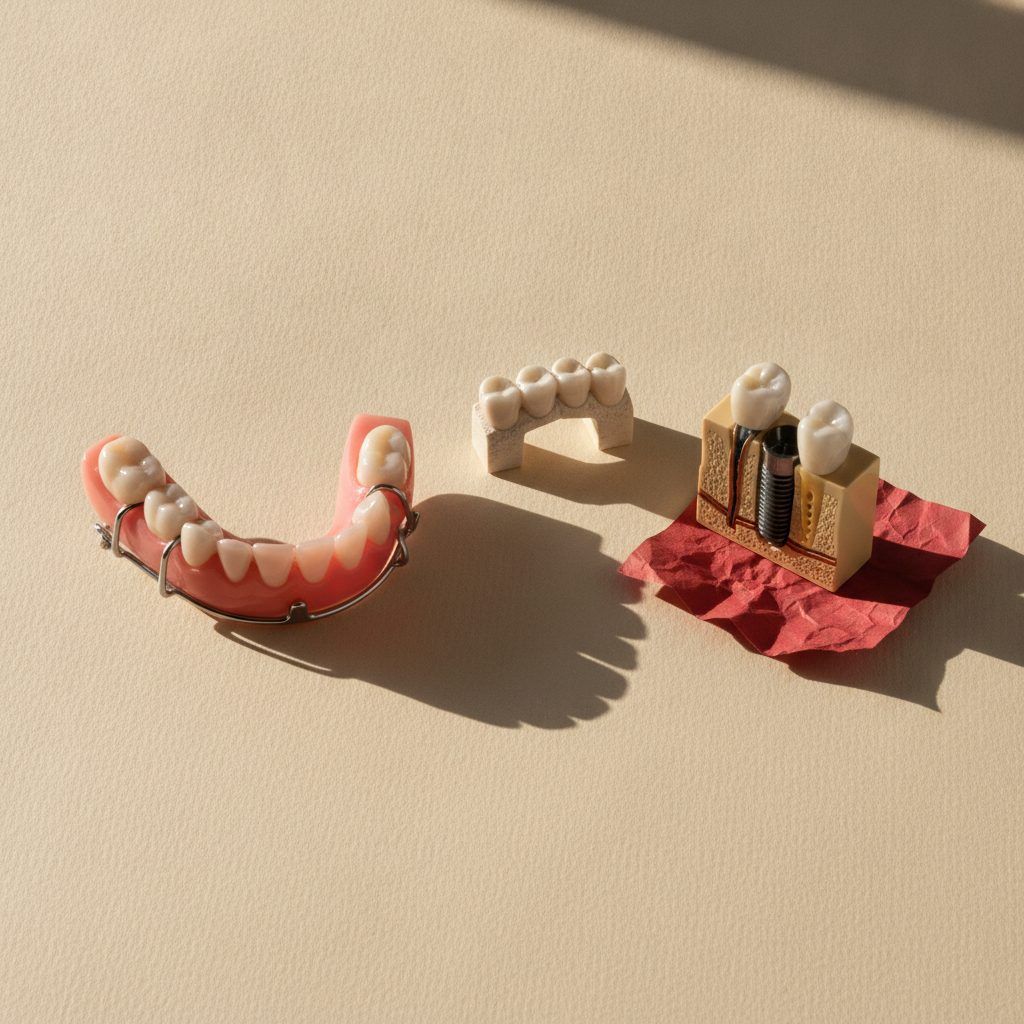
Deciding whether to pursue dental implants involves more than cost alone. It requires balancing function, durability and long-term oral health.
Implants offer stability and longevity, but they also demand a higher upfront investment and ongoing maintenance. Public dental services, by contrast, focus on preserving essential function in the most efficient way possible. For many patients, this means choosing treatments that restore comfort and usability without the added complexity of implants.
Specialist-level treatment with surgical and prosthetic stages.
Restore comfort and usability without the added complexity of implants.
Value is not simply about achieving the ideal outcome, but about finding a solution that aligns with both clinical need and available resources.
For some, implants may remain a future goal rather than an immediate option - one that becomes more attainable as circumstances change.
Destination
Public dental services reliably support basic oral health. Implants are offered only for clear clinical need, after specialist assessment, and usually after a wait.
Educational only. FactAvenue explains options in plain language. It is not medical or financial advice. Speak with a dental professional about your own situation.