Community dental clinic
Community-focused care at rates that can be more manageable than elsewhere.
- Preventive services, fillings and extractions
- Reduced fees or income-based pricing
- Expanded payment flexibility
Clear facts for everyday decisions
Auto · Money · Health · Work · Travel

Could putting off a dental appointment be costing more than the treatment itself?

At a glance
Could putting off a dental appointment be costing more than the treatment itself? For many people, dental care feels like one of those expenses that can always wait until later - right up until discomfort, damage, or an emergency makes waiting impossible. While dental treatment can be expensive, there are often more options available than people realize. From community programs to financing tools and discounted services, low cost dental care is often closer than expected.
Stop 1 of 6
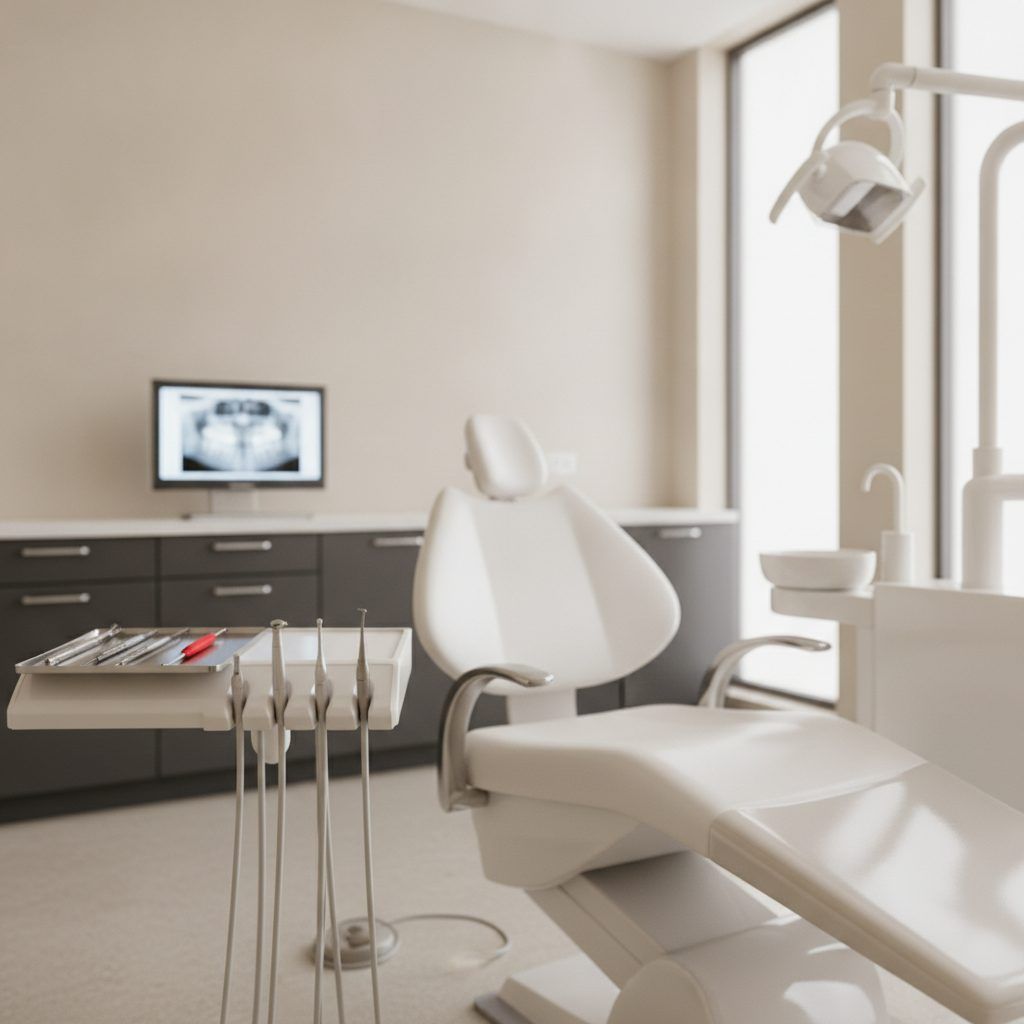
Dental bills rarely come from a single service. What begins as a routine concern can quickly expand into a series of appointments, diagnostic tests, and treatments. A simple toothache may require an exam, X-rays, and restorative work before a dentist can fully address the problem.
Costs also tend to compound because dental conditions rarely improve on their own. A small cavity that might have been treated with a basic filling can eventually require a root canal or crown.
Route map
Many patients are surprised to learn that some of the largest expenses are not cosmetic procedures but common restorative treatments. Crowns, extractions, root canals, and replacement teeth can significantly increase total costs. Even routine preventive care can become challenging for households balancing multiple financial priorities.
The search for an affordable dentist often begins when treatment can no longer be postponed. At that point, understanding the available alternatives becomes just as important as understanding the procedure itself.
Stop 2 of 6
Many people assume that every dental provider charges similar rates. In reality, pricing structures can vary dramatically depending on the type of facility providing care.
Community-focused providers often exist specifically to serve individuals who may not have access to traditional private practices. These organizations frequently offer reduced fees, income-based pricing, or expanded payment flexibility.

Community-focused care at rates that can be more manageable than elsewhere.
An often overlooked option for treatment at reduced costs.
Rates are not the same everywhere.
The availability of these programs varies by location, but they often become valuable resources for people seeking affordable dental treatment without sacrificing quality of care.
Stop 3 of 6
Government assistance for dental care is rarely one-size-fits-all. Eligibility often depends on several factors at once.
Diagram
For some individuals, Medicaid may provide access to certain dental services. Coverage can differ substantially depending on where a person lives and which services are considered eligible benefits.
Children's dental coverage may be available through CHIP programs, helping families access preventive and restorative care.
Local health departments sometimes partner with dental providers to offer referrals, screenings, or reduced-cost services.
Federally qualified health centers frequently include dental programs designed to expand access for underserved populations.

Stop 4 of 6

The way people shop for dental services has changed considerably. Patients increasingly compare providers much like they compare other major household expenses. Transparency, financing flexibility, and promotional offers often influence decisions as much as location.
Many dental offices accepting new patients advertise introductory exams, discounted cleanings, or special pricing for first-time visitors. These offers can lower the initial cost of evaluation and help patients understand treatment needs before committing to larger expenses.
Comparing several providers may reveal meaningful differences in pricing, scheduling availability, and financing options. Some practices focus heavily on preventive care packages, while others emphasize payment flexibility for more extensive procedures.
The goal is rarely finding the cheapest dentist available.
Instead, many patients look for the best balance between affordability, reputation, convenience, and long-term value.
Before you go
Stop 5 of 6
The absence of insurance does not automatically eliminate access to care. In fact, many providers have developed alternative solutions specifically for patients paying directly out of pocket.
| Option | How it works |
|---|---|
| Dental discount plan | Members typically pay a recurring fee for negotiated rates on common procedures at participating providers. |
| Dental payment plan | Costs are spread over time through monthly installments instead of delaying treatment. |
| Financing program | Some offer promotional periods with reduced interest or deferred payment options. |
| Sliding-scale clinic | Charges are adjusted based on household income. |
| Preventive care package | Cleanings, exams and basic services are bundled into predictable annual costs. |
| Summarized from the article. Terms vary by provider. | |

Stop 6 of 6
The conversation around low cost dental care is often framed as a search for the lowest possible price. In practice, it is usually about finding realistic pathways to treatment before problems become larger and more expensive.
Whether through a cheap dentist, a dental community health center, government assistance, financing programs, or community-based clinics, affordable options continue to expand. People who take time to compare providers, explore assistance programs, and evaluate payment solutions often discover that quality dental care is more accessible than they initially assumed.

The challenge is rarely that help does not exist - it is knowing where to look for it.
Destination
Low cost dental care is less about the lowest price and more about a realistic route to treatment before small problems grow larger and more expensive.
Educational only. FactAvenue explains options in plain language. It is not medical or financial advice.