Retirement housing
Self-contained flats with communal areas.
- Home
- Self-contained flat
- Shared
- Communal areas
- Support
- Lighter touch
- Private living space
- Shared amenities and, in some cases, social activities
Clear facts for everyday decisions
Auto · Money · Health · Work · Travel

Are you exploring more secure, manageable housing as you move into later life but unsure how the system actually works?

At a glance
Are you exploring more secure, manageable housing as you move into later life but unsure how the system actually works? Housing associations play a central role in providing stable, affordable homes, particularly for those seeking housing for over 60s or housing for pensioners. Understanding how applications are processed, how availability is determined, and what options exist can make the process feel more navigable and far less opaque.
Stop 1 of 8
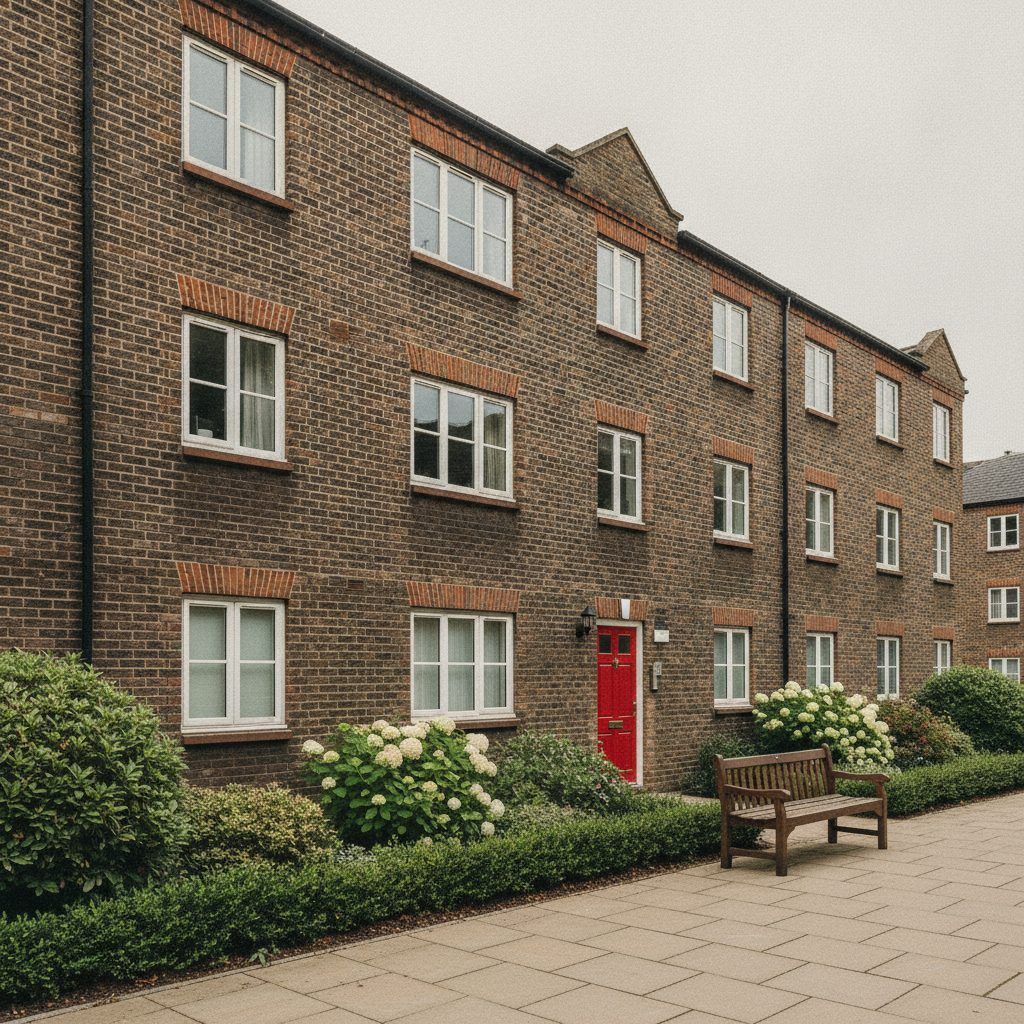
Housing associations operate as not-for-profit landlords, offering rented homes at below-market rates while reinvesting income into maintaining and expanding their housing stock.
Within a housing association London framework, these organisations often work closely with local councils, which act as the gateway for most applicants. Properties are allocated based on assessed need rather than a purely first-come basis, so circumstances such as health, current living conditions and income level are weighed carefully.
For those considering housing for retirees, this structure provides a degree of long-term security. Rents are typically set at social or affordable levels, and many schemes are designed with accessibility in mind. While private renting can feel unpredictable, housing associations for over 60s tend to prioritise stability, support and community integration.
Stop 2 of 8
Applying for a housing association property involves coordination between council systems and individual providers. Many people searching "apply housing association" are essentially navigating a structured pathway that balances demand with limited availability. People also describe this as how to apply for senior housing, particularly when age-specific schemes are involved.

Before you go
Once registered, applicants are placed into priority bands. These bands determine how urgently housing is needed and influence eligibility for available properties.
Under choice-based lettings you access an online portal where available homes are advertised, bid on properties that match your eligibility and preferences, review weekly listings with rent, location and eligibility criteria, track your position against other bidders, and accept or decline offers if shortlisted.
Chart
Choice-based lettings gives applicants a degree of agency, though competition can be high.
Stop 3 of 8
Housing for over 60s is not a single category but a range of options designed to support different levels of independence. These distinctions matter when evaluating long-term suitability.
Self-contained flats with communal areas.
Retirement-style living with additional support.

Many housing associations for over 60s design properties with accessibility features such as step-free access, lifts and adapted bathrooms. This makes day-to-day living more manageable and reduces the need for costly modifications later. Costs are generally predictable, often including service charges that cover maintenance, communal facilities and sometimes utilities.
For those seeking housing for pensioners, residents maintain private living spaces while having access to shared amenities and, in some cases, organised social activities. This can ease isolation and create a more supportive environment without moving into full residential care.
The appeal often lies in the balance between independence and reassurance.
Stop 4 of 8

Finding a suitable housing association begins with understanding both council-managed pathways and direct provider options. While most applicants start through council registers, some associations maintain their own waiting lists, particularly for specialised over 60s housing or supported schemes.
A practical approach is to research a list of housing associations in London and identify those with a presence in your preferred area.
Most applicants start here. Councils act as the gateway and refer eligible applicants to housing associations through nominations.
Some associations keep their own waiting lists, especially for specialised over 60s housing or supported schemes. Larger organisations often operate across multiple boroughs, while smaller associations may focus on specific communities or housing types.
Online directories, council websites and housing advice services can help map out available providers in your area.
Stop 5 of 8
Affordability remains a central consideration when evaluating housing association options. Rents are generally lower than private market rates, but they are not uniform.
| Option | How it is priced | What to note |
|---|---|---|
| Social rent | The most affordable level | Housing association property |
| Affordable rent | Closer to market levels, still reduced | Housing association property |
| Private renting | Market rates | Can feel unpredictable |
| Service charges may be added on top for maintenance, communal spaces and support services. | ||

Service charges are another factor. These may cover building maintenance, communal spaces and support services. While they add to monthly costs, they also reduce the burden of unexpected repairs or maintenance expenses.
Long-term value extends beyond cost. Security of tenure, stable rent increases and access to support services can make housing association living more sustainable over time compared to private renting or homeownership with rising maintenance costs.
Stop 6 of 8
Some housing associations offer supported housing tailored to individuals with specific needs, including mobility challenges or ongoing health conditions.
People on hand within the scheme.
Systems to call for help when needed.
Care support organised around residents.

The availability of these services can significantly influence quality of life. While not every applicant will require this level of support, it is worth considering how needs may evolve over time. Choosing a scheme that can adapt to changing circumstances may prevent the need for future relocations.
Stop 7 of 8
Demand for housing association properties typically exceeds supply, making prioritisation essential. Councils assign applicants to bands based on urgency, with higher bands reflecting more acute need.
Chart
Waiting times vary widely depending on location, property type and individual circumstances. Understanding how your application is assessed, and periodically updating it, can improve your chances over time.
Patience is often part of the process, but staying engaged with the system and exploring multiple avenues can make a meaningful difference.
Questions people ask
No. Properties are allocated on assessed need, so health, current living conditions and income level are weighed carefully.
Demand typically exceeds supply, and availability is shaped by turnover rather than continuous supply.
Understand how your application is assessed, update it periodically, stay engaged with the system and explore multiple avenues.
Stop 8 of 8
Selecting the right route into housing for retirees involves balancing urgency, preferences and long-term needs. Council registers, direct housing association applications and specialised schemes each offer different pathways.
Chart
Clarity about priorities helps narrow the field:
Which boroughs and communities suit you.
Features such as step-free access and lifts.
Retirement, sheltered or supported housing.
Rent type plus any service charges.
While the system can feel complex at first, it is structured to match people with housing that aligns with their circumstances.
With persistence and a clear understanding of how to apply, housing association options can become a practical and stable solution for later-life living.
Destination
Register with your council, keep your application up to date, and look beyond bidding to associations' own lists and specialised schemes.
Educational only. FactAvenue explains options in plain language. It is not housing, financial or legal advice. Check details with your council or housing association.