Standard plan
Focuses on essential household infrastructure.
- Scope
- Core systems
- Often suits
- Newer homes
- A newer home may require less extensive protection
Clear facts for everyday decisions
Auto · Money · Health · Work · Travel

Could a single appliance breakdown or system failure disrupt your budget more than expected? For many homeowners, the answer is yes.

At a glance
Could a single appliance breakdown or system failure disrupt your budget more than expected? For many homeowners, the answer is yes. As homes age and repair costs continue to rise, unexpected expenses related to heating systems, electrical components, plumbing, and major appliances can create financial pressure. Home warranties have become a popular option for those seeking an added layer of protection and more predictable maintenance costs.
Stop 1 of 8
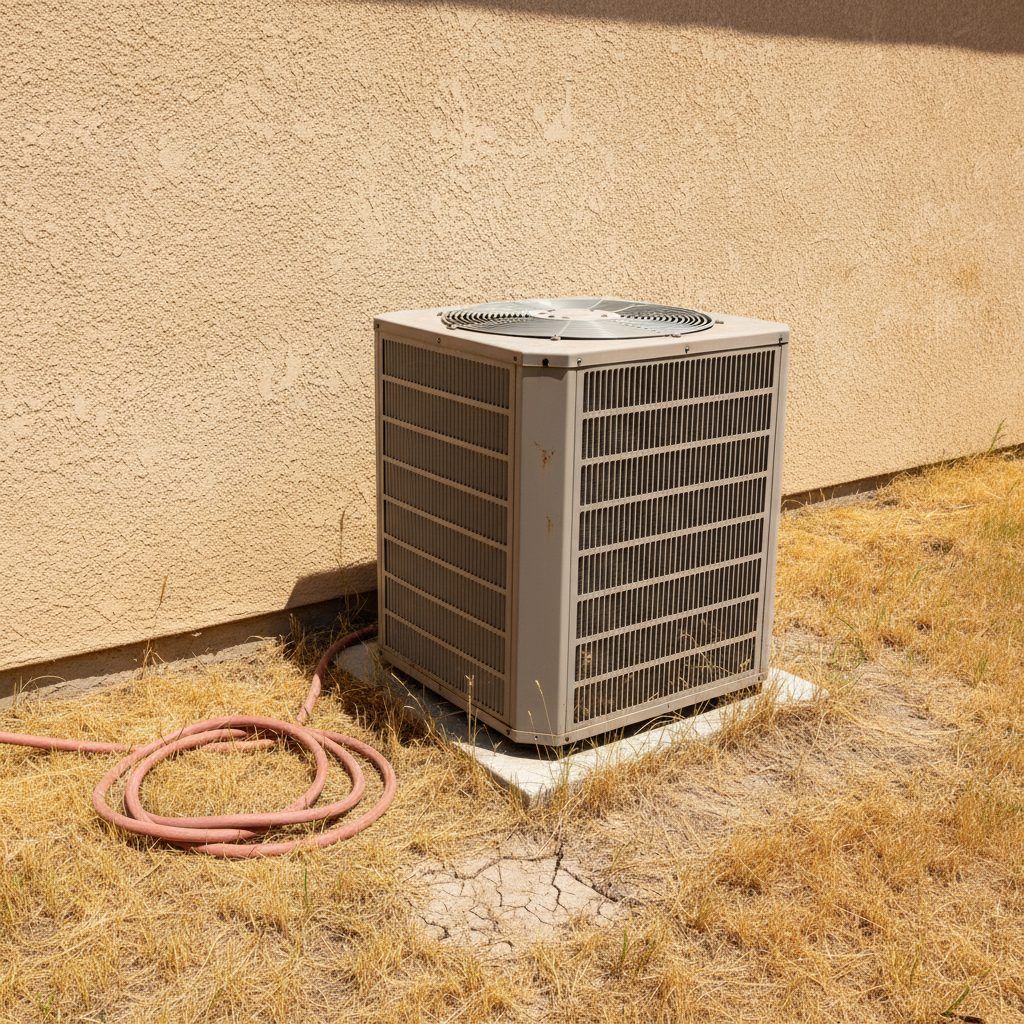
Many homeowners assume their insurance policy will cover every problem that arises within the home. In reality, insurance is designed to address sudden events such as storms, fires, or other covered losses. It generally does not pay for normal wear and tear on household systems or appliances.
This distinction is one reason home warranty plans continue to attract attention. When an air conditioner stops working during peak summer temperatures or a water heater reaches the end of its lifespan, repair costs can quickly become significant. A home warranty can help offset some of those expenses by covering eligible repairs or replacements under the terms of the contract.
The appeal often comes down to budgeting. Rather than absorbing the full cost of a major repair unexpectedly, homeowners pay a recurring premium and service fee structure that creates greater predictability.
Diagram
Stop 2 of 8
Coverage varies between providers, which makes plan comparisons an important part of the decision-making process. Most home warranty companies offer protection for a combination of major systems and appliances.
Standard plans often focus on essential household infrastructure, while more comprehensive options extend protection to additional equipment and specialty items. Coverage limits, exclusions, and service fees differ significantly across providers.
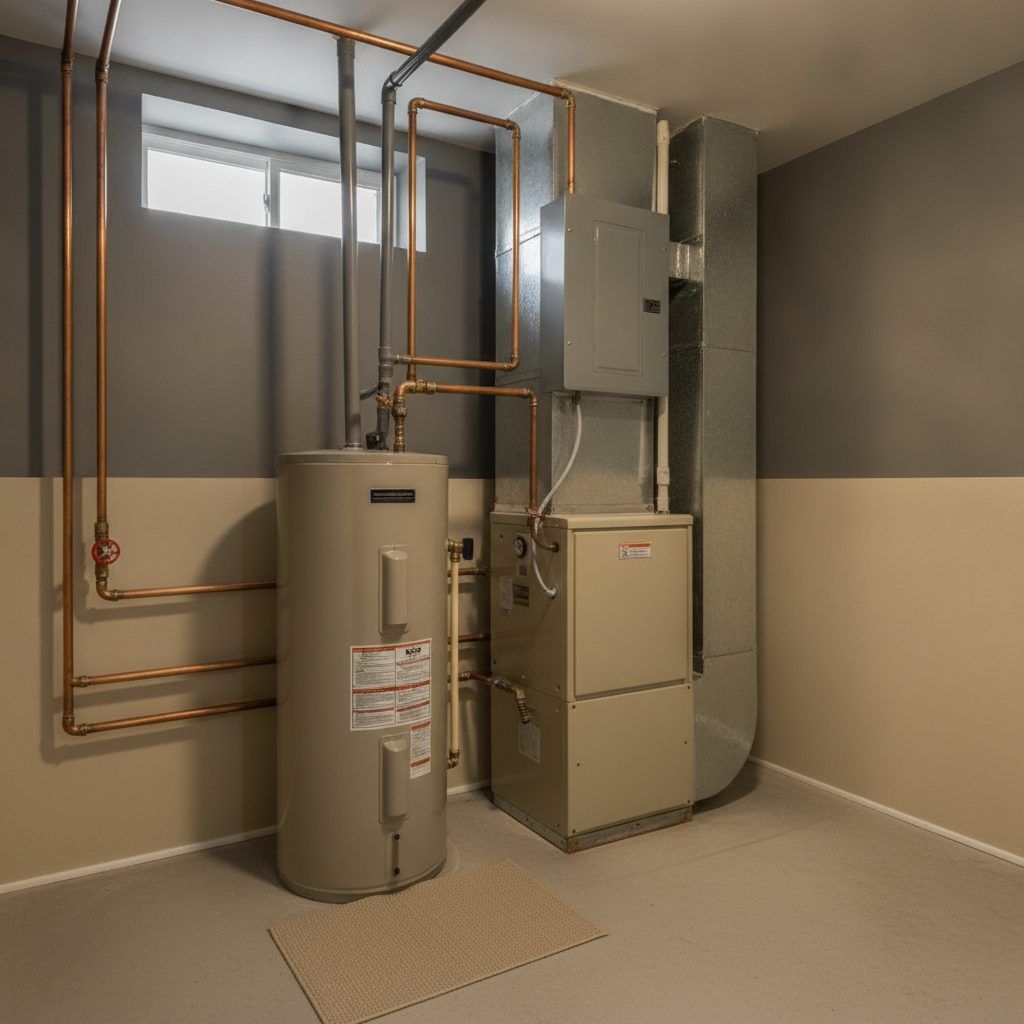
Focuses on essential household infrastructure.
Extends protection to additional equipment and specialty items.
Homeowners frequently evaluate warranties based on the age of their home, the condition of existing systems, and the likelihood of future repair needs.
Stop 3 of 8
Choosing among the best home warranty programs involves more than comparing monthly costs. Service networks, response times, coverage caps, and contractor availability can all influence the homeowner experience.
Some providers focus on lower premiums paired with higher service call fees. Others offer more comprehensive coverage with higher monthly costs but lower out-of-pocket expenses when repairs occur.
Diagram

Consumers often look for flexibility when evaluating plans. The ability to customize coverage, add optional protection, or choose between multiple service tiers can create a better fit for specific household needs.
Review platforms, customer feedback, and third-party ratings frequently play a role in the research process as homeowners compare different service providers.
Stop 4 of 8

The most valuable warranty plans are often those that align closely with the home's actual needs. Reading the service agreement carefully can help prevent surprises later.
Coverage exclusions, waiting periods, claim procedures, and replacement policies deserve close attention. Understanding how a company determines whether to repair or replace an item is particularly important when evaluating long-term value.
Homeowners also benefit from reviewing contractor networks and customer service policies. A lower-cost plan may not provide the same experience as a provider with a larger service infrastructure and stronger support resources.
Before you go
Stop 5 of 8
Because home warranties involve ongoing service relationships, company reputation often becomes a major consideration. Homeowners frequently research ratings, reviews, and industry recognition before making a selection.
Searches related to liberty home guard bbb ratings and similar review-focused topics illustrate how consumers increasingly rely on independent sources when evaluating providers. While no company receives universal praise, consistent performance and responsive customer support can help distinguish stronger options within the marketplace.
The goal is not simply finding the lowest-priced plan.
Many homeowners prioritize reliability, communication, and transparency when determining which provider offers the strongest overall value.
Stop 6 of 8
The financial value of a home warranty depends largely on individual circumstances. Some homeowners may experience multiple covered repairs in a short period, while others may go years without filing a claim.
For properties with aging systems and appliances, a warranty can provide meaningful cost protection. The replacement cost of a furnace, air conditioning system, refrigerator, or plumbing component can far exceed annual warranty premiums.

Self-check
Tick any that describe your home.
Stop 7 of 8
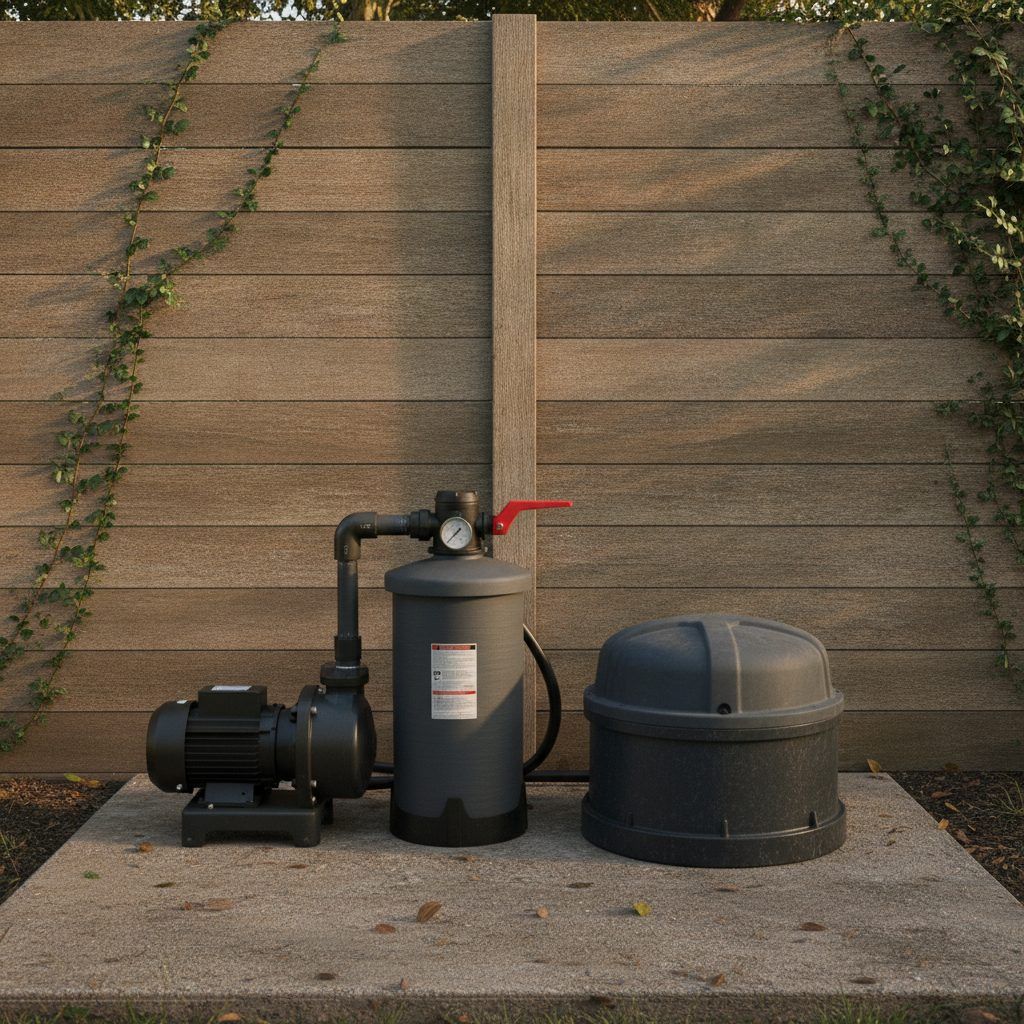
Today's best home protection plan options often include more customization than earlier warranty products.
As repair costs continue to rise, homeowners are placing greater emphasis on proactive budgeting strategies. This shift has helped maintain demand for home warranty plans as part of a broader approach to protecting household finances.
Providers increasingly offer add-on coverage for pools, spas, well pumps, smart-home components, and specialty equipment.
Technology has also improved the service experience. Many companies now provide online claim submission, digital account management, mobile tracking, and faster communication throughout the repair process.
Stop 8 of 8
Owning a home comes with ongoing responsibilities, and unexpected repairs remain one of the most common financial challenges homeowners face. While no warranty eliminates every risk, the right coverage can help reduce uncertainty and provide access to professional repair services when needed.
The growing interest in home warranty companies reflects a broader desire for financial predictability and convenience. By carefully comparing providers, reviewing coverage details, and selecting a plan that matches the home's needs, homeowners can make a more informed decision about whether warranty protection deserves a place in their long-term homeownership strategy.
Destination
Insurance covers sudden events; a home warranty can help with the wear and tear it leaves out. Its value depends on your home, your systems and the plan you choose.
Educational only. FactAvenue explains options in plain language. It is not financial or insurance advice; check each contract's terms.