Tax credit
A percentage of qualified project costs, claimed against your tax liability.
- Typical size
- Around 30%
- Limits
- Annual caps often apply
- When
- At tax filing
Clear facts for everyday decisions
Auto · Money · Health · Work · Travel

Have you ever wondered how much of your heating and cooling costs are quietly slipping out through outdated windows?

At a glance
Have you ever wondered how much of your heating and cooling costs are quietly slipping out through outdated windows? Energy-efficient window upgrades are no longer just a design choice; they are increasingly tied to financial incentives that can meaningfully reduce upfront costs. Rebates, tax credits, and utility incentives have made these upgrades more accessible, shifting them from long-term aspirations into practical, near-term investments.
Energy-efficient windows are designed to reduce heat transfer, improve insulation, and stabilize indoor temperatures. For homeowners, that translates into lower energy bills and a more comfortable living environment.
For policymakers and energy providers, it represents a pathway to reduce overall energy demand, which is why a growing network of incentives exists to encourage adoption.
Stop 1 of 6

Financial incentives for energy-efficient windows are typically structured through a mix of tax credits, utility rebates, and regional energy-efficiency programs. Each operates differently, but they share a common goal: lowering the barrier to upgrading older, inefficient windows.
Tax credits are often the most substantial form of support. These allow homeowners to claim a percentage of qualified project costs against their tax liability. In many cases, this percentage sits around 30% of eligible expenses, although annual caps often apply. That means a homeowner replacing several windows could recoup a meaningful portion of the total investment, but not necessarily all of it.
Utility rebates function differently. These are typically issued after installation and are based on verified energy savings or product specifications. Some programs offer fixed-dollar rebates per window, while others scale based on performance ratings.
A percentage of qualified project costs, claimed against your tax liability.
Issued after installation, based on verified savings or product specifications.
Tied to energy efficiency upgrades.
Based on energy savings or product certification.
Offering supplemental rebates.
Bundled with qualifying products.
Stop 2 of 6

The total financial return from window incentives depends on several factors, including the number of windows replaced, the efficiency rating of the new units, and the specific programs available at the time of installation.
In many cases, tax credits cover approximately 30% of qualifying costs, often capped annually. For example, if a homeowner spends $5,000 on eligible window upgrades, the credit might offset up to $1,500, assuming it falls within the program's cap. Some programs limit credits to a few hundred dollars per year, while others allow higher thresholds for broader home efficiency improvements.
Utility rebates typically add another layer of savings. These can range from $25 to $150 per window, depending on energy performance and program structure. While individually modest, they can add up quickly across a full-home replacement.
Chart
By the numbers
Of eligible costs, covered by many tax credits
Subject to annual limits
Average utility rebate per window
Depends on performance and program
Combined savings, as a share of total project cost
Often reached when incentives combine
Try the numbers
Before annual caps. Some programs limit credits to a few hundred dollars per year, so your actual amount may be lower.
Stop 3 of 6

Eligibility for energy-efficient window incentives is generally broad but not universal. Most programs are designed for primary residences, though some extend to secondary properties under specific conditions. Rental properties may qualify under different rules, often requiring the property owner, not the tenant, to claim the incentive.
Income is not always a determining factor, but some enhanced rebate programs target moderate- to lower-income households with higher payout levels. These programs aim to accelerate adoption where upfront cost is the greatest barrier.
Homeowners must also meet product eligibility requirements. Certification standards, such as specific insulation or solar heat gain metrics, are typically required.
Route
Stop 4 of 6
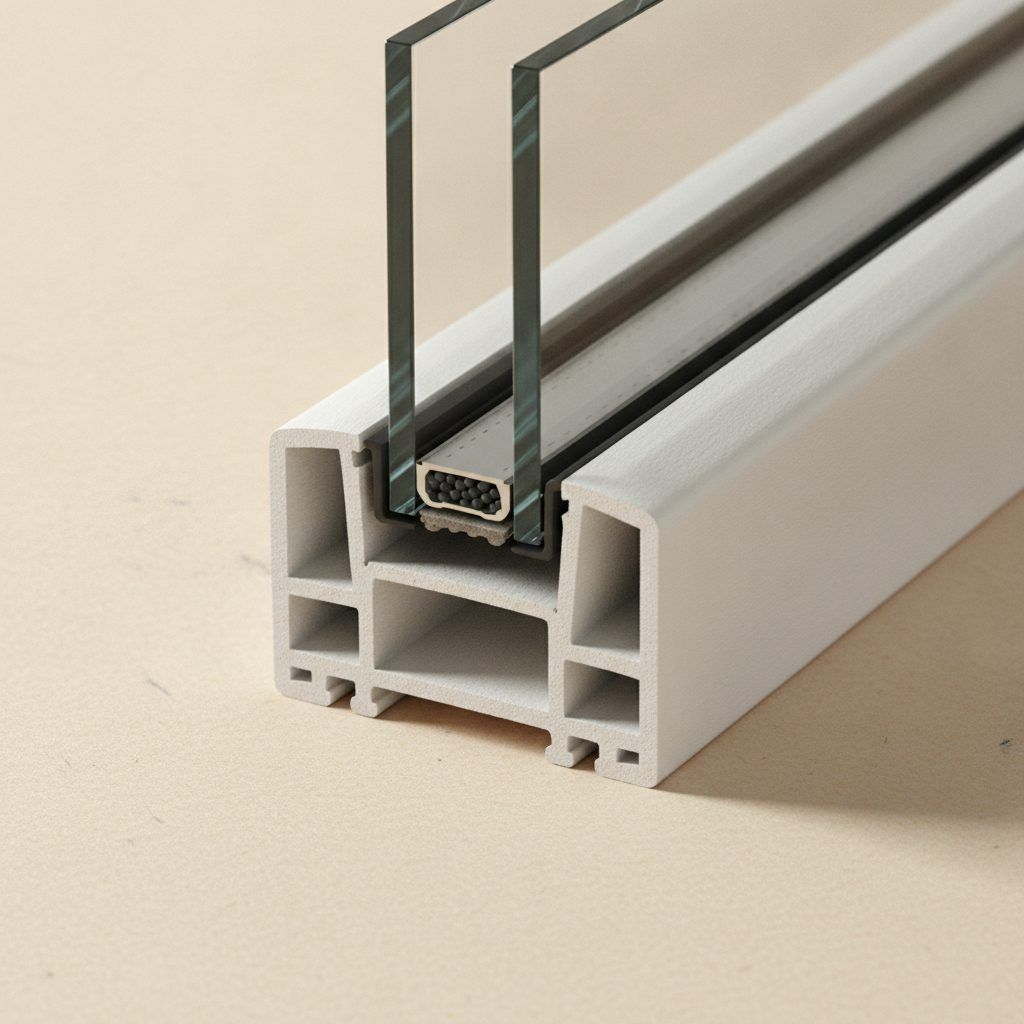
Qualifying window upgrades are defined by performance, not aesthetics. The most common requirement is certification under recognized energy efficiency standards, which ensure the window meets specific thermal performance criteria.
Double- and triple-pane windows are among the most widely eligible upgrades. These designs reduce heat transfer significantly compared to single-pane alternatives. Low-emissivity (Low-E) coatings, which reflect infrared heat while allowing visible light, are another common qualifying feature.
Frame materials also play a role. Vinyl, fiberglass, and certain composite frames often meet eligibility standards due to their insulating properties. By contrast, older aluminum frames without thermal breaks may not qualify.
| Feature | Eligibility | Why it matters |
|---|---|---|
| Certified performance ratings | Most common requirement | Must meet program thresholds |
| Double- or triple-pane glass | Widely eligible | Reduces heat transfer versus single-pane |
| Low-E coatings | Common qualifying feature | Reflect infrared heat, let visible light in |
| Argon or krypton gas fill | Typically meets standards | Gas-filled panes add insulation |
| Vinyl, fiberglass, some composites | Often meet standards | Insulating frame properties |
| Older aluminum, no thermal break | May not qualify | Frame material plays a role |
| Drawn from the article. Each program sets its own thresholds. | ||
Stop 5 of 6
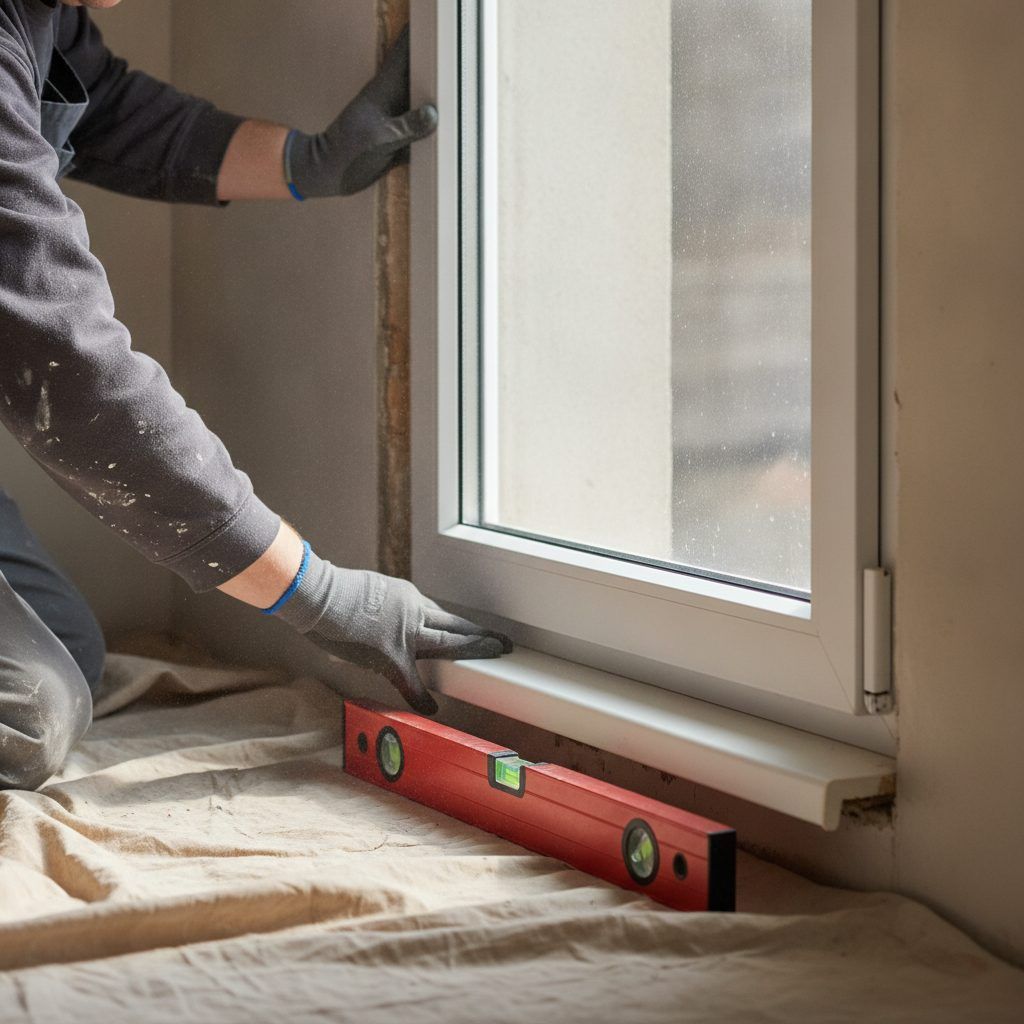
Claiming incentives requires documentation and timing awareness. Tax credits are typically claimed when filing annual taxes, requiring receipts, product certifications, and installation records. Homeowners should retain all documentation provided by contractors or manufacturers, as these details are often required to verify eligibility.
Utility rebates usually involve a separate application process. This may include submitting proof of purchase, installation dates, and product specifications.
Contractors can play a valuable role in this process. Many experienced installers are familiar with available incentives and can guide homeowners through documentation requirements or even handle submissions directly.
Check the requirements before installation begins.
Work with contractors who understand incentive programs.
Receipts, invoices and product certification documents.
File rebate applications within specified deadlines.
Before you go
Stop 6 of 6
Even with incentives, energy-efficient window upgrades represent a meaningful investment. Costs can vary widely depending on materials, labor, and the number of windows involved.
Rebates and credits shift the financial equation by reducing net cost and shortening the payback period.
Beyond immediate savings, these upgrades contribute to long-term value. Lower energy bills, improved indoor comfort, and potential increases in property appeal all factor into the broader return on investment. In many cases, homeowners find that the combination of incentives and energy savings makes the upgrade more accessible than expected.

Less heat transfer means less heating and cooling slipping away.
More stable indoor temperatures through the year.
A potential increase that factors into the broader return.
Destination
Energy-efficient window rebates are more than a temporary perk; they are part of a broader shift toward smarter, performance-driven home improvements. By aligning financial incentives with energy efficiency, these programs make it easier to justify upgrades that might otherwise feel out of reach.
For homeowners willing to navigate eligibility requirements and documentation, the payoff can be substantial. Reduced upfront costs, ongoing energy savings, and improved comfort combine into a practical, financially grounded reason to upgrade.
Educational only. FactAvenue explains options in plain language. It is not financial or tax advice. Program rules, caps and deadlines vary.