Point-of-sale credits
Reduce the purchase price immediately.
Clear facts for everyday decisions
Auto · Money · Health · Work · Travel

Are electric and hybrid vehicle deals truly delivering meaningful savings, or do they simply shift costs into less obvious areas?

At a glance
Are electric and hybrid vehicle deals truly delivering meaningful savings, or do they simply shift costs into less obvious areas? As automakers accelerate production and competition intensifies, pricing strategies have become more nuanced. Discounts, financing incentives, and bundled perks are reshaping how these vehicles are sold, making it essential to understand what a "deal" actually includes and how it translates into long-term value.
Stop 1 of 7

Electric and hybrid vehicles are no longer positioned strictly as premium alternatives. Pricing structures have evolved to reflect broader adoption goals, and that shift has introduced a mix of visible discounts and less obvious incentives.
Automakers are increasingly using targeted promotions, financing flexibility, and lease structures to make these vehicles more accessible without dramatically lowering base prices.
Rather than relying on simple markdowns, many deals now blend manufacturer incentives with dealership-level adjustments. This layered approach allows pricing to vary significantly depending on timing, inventory levels, and regional demand.
Diagram
For buyers, this means that the advertised price rarely reflects the full picture.
Understanding these structures requires attention to how incentives are applied. Some are immediate reductions, while others are tied to financing terms or trade-in conditions. Evaluating the total cost over time often reveals a more accurate measure of value than focusing on upfront pricing alone.
Stop 2 of 7
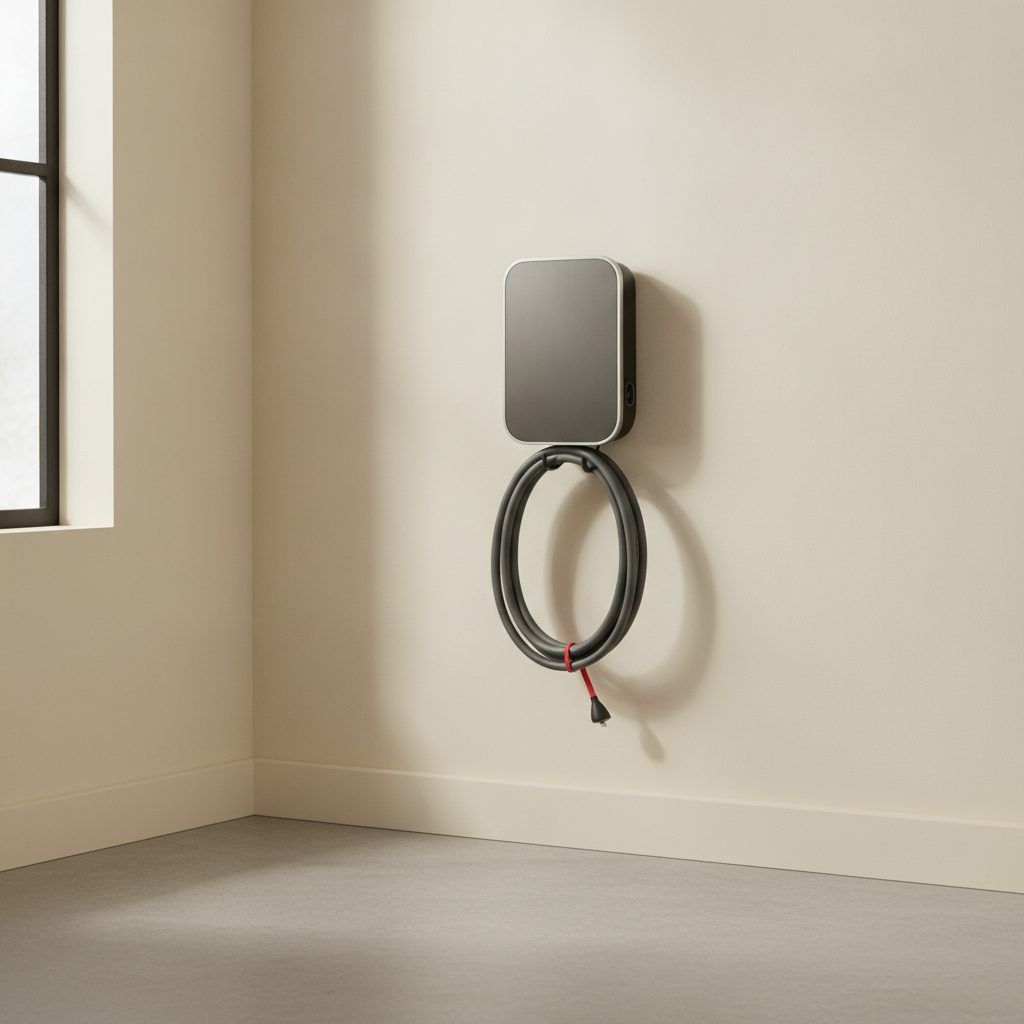
One of the defining features of electric and hybrid vehicle deals is the presence of incentives designed to encourage adoption. These can come from multiple sources and often play a decisive role in affordability.
However, their structure can vary, and not all incentives apply equally to every buyer or vehicle configuration.
Some incentives are applied directly at the point of sale, effectively lowering the purchase price. Others are realized later, requiring additional steps such as tax filings or eligibility verification. This distinction can significantly impact cash flow and perceived savings.
Diagram
In many cases, incentives are also tied to specific vehicle criteria, such as battery capacity or manufacturing origin. Buyers who understand these conditions are better positioned to select models that maximize available benefits.
Reduce the purchase price immediately.
Apply after purchase.
For charging equipment.
Encourage low-emission vehicles.
Available to specific buyers.
Stop 3 of 7

Leasing has become a central strategy in electric and hybrid vehicle deals, particularly as technology continues to evolve. For many buyers, leasing offers a way to access newer models without committing to long-term ownership in a rapidly changing landscape.
Lease deals often incorporate incentives more aggressively than purchase agreements, resulting in lower monthly payments. This can make higher-priced electric models feel more accessible, even if the total cost over time differs from a traditional purchase.
Access to newer models without long-term ownership.
A traditional purchase you keep for as long as you choose.
However, leasing introduces its own considerations. Mileage limits, end-of-term conditions, and the absence of ownership equity can affect overall value. Buyers weighing lease versus purchase decisions need to consider how long they plan to keep the vehicle and how quickly technology improvements may influence resale value.
Stop 4 of 7

Beyond purchase price and incentives, electric and hybrid vehicle deals often emphasize lower operating costs. These savings can accumulate over time, but they depend heavily on driving habits, energy costs, and maintenance requirements.
Electric vehicles typically reduce fuel expenses. With fewer moving parts in electric drivetrains, service needs may be reduced in some cases.
Hybrids offer a balance between fuel efficiency and traditional refueling convenience. Maintenance costs may differ from both electric and conventional drivetrains.
Buyers who evaluate these factors in advance are better equipped to determine whether the advertised benefits align with their real-world usage.
| Cost area | What shapes it |
|---|---|
| Fuel or energy | Your driving patterns |
| Maintenance | Drivetrain complexity |
| Insurance | Vehicle value and repair factors |
| Home charging | Infrastructure investments for home use |
| Battery | Performance considerations over time |
Stop 5 of 7
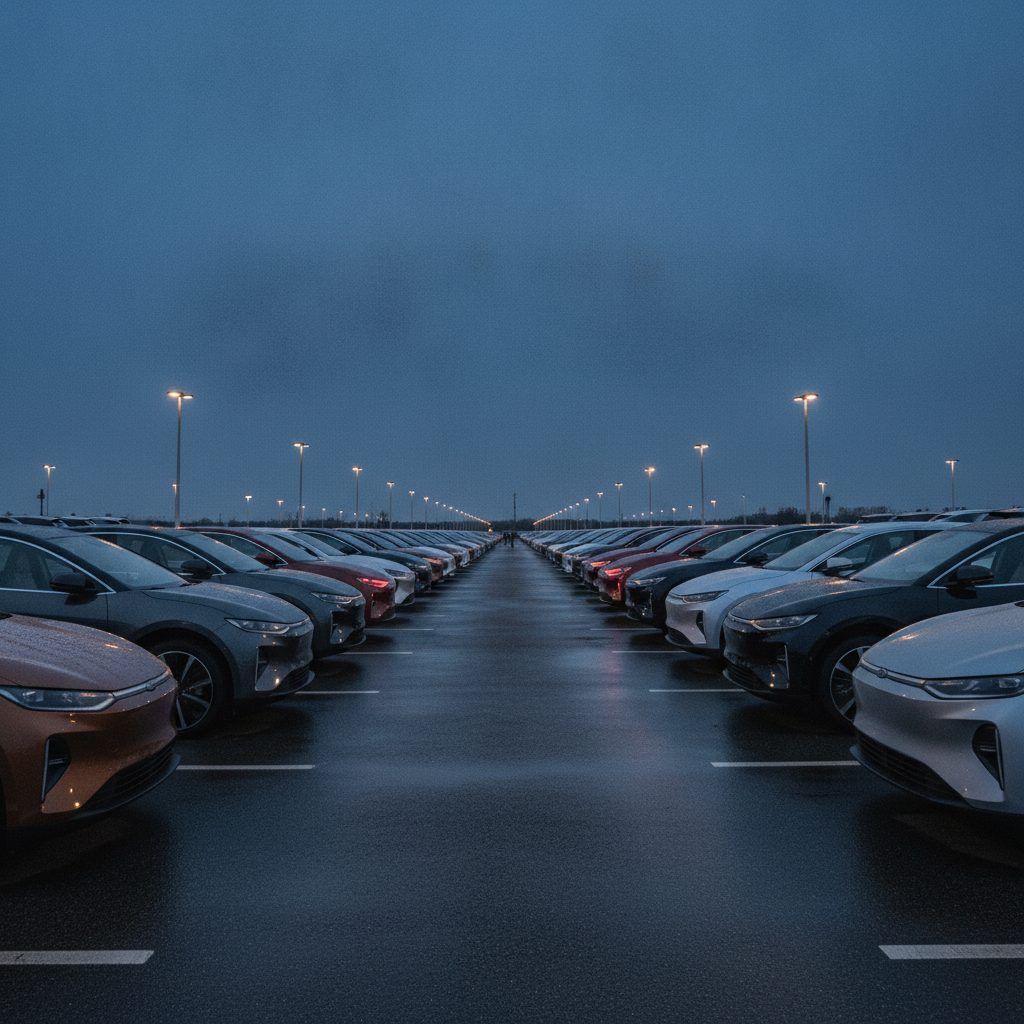
Timing plays a significant role in the availability and strength of electric and hybrid vehicle deals. Inventory levels, production cycles, and new model releases all influence how aggressively vehicles are priced.
Periods of high inventory often lead to stronger incentives, as dealerships aim to move vehicles quickly. Conversely, limited supply can reduce the availability of discounts, even as demand remains strong. Buyers who monitor these cycles can often find opportunities that are not widely advertised.
Model-year transitions also create distinct windows for savings. As newer versions are introduced, outgoing models may receive additional incentives to clear inventory.
Before you go
Stop 6 of 7

Electric and hybrid vehicle deals often extend beyond pricing to include feature bundling. Technology packages, charging solutions, and service plans are increasingly integrated into offers, shaping the overall value proposition.
These bundled elements can enhance convenience and reduce additional costs, but they also require careful evaluation. Not all included features carry equal value, and some may overlap with existing capabilities or preferences.
Equipment or installation credits.
Advanced driver-assistance systems.
Software subscription trials.
Extended service or maintenance plans.
Warranty enhancements.
Destination - Stop 7 of 7
Electric and hybrid vehicle deals are no longer defined solely by upfront discounts. They represent a broader shift toward integrated value, combining incentives, financing, operating savings, and bundled features into a single proposition.
Buyers who approach these deals with a clear understanding of total cost, timing, and long-term implications are more likely to find options that align with both their budget and their expectations.
Educational only. FactAvenue explains options in plain language. It is not financial advice; check current offers and eligibility with the dealer, lender or program directly.