Dentures or partial prosthetics
Where most patients needing multiple replacements are directed.
- NHS funding
- Standard route
- Fixed in place
- No
- Often effective
- Lower-cost alternative
- Differs in stability and long-term feel
Clear facts for everyday decisions
Auto · Money · Health · Work · Travel

Are dental implants ever realistically available through public care later in life, or do they remain largely out of reach?

At a glance
For many people over 60, tooth loss becomes more than cosmetic. It affects comfort, nutrition, and confidence. While implants are widely seen as the gold standard solution, access through the NHS is tightly restricted. Understanding eligibility, typical pathways, and the true meaning of "cost" can help clarify what is and isn't possible.
Stop 1 of 8
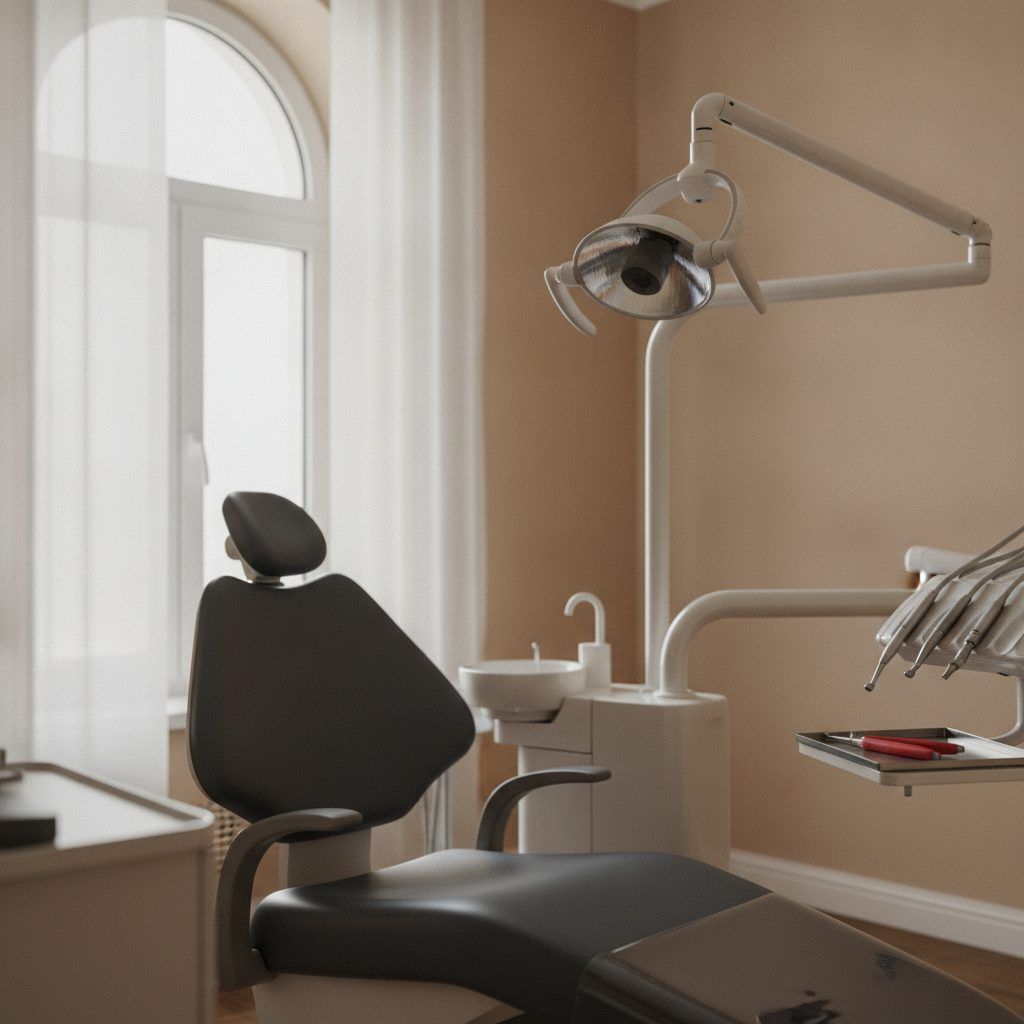
Dental implants are not routinely offered through the NHS, regardless of age. The system is structured around clinical need rather than preference, which means implants are usually reserved for cases where conventional treatments, such as dentures or bridges, are not viable.
Being over 60 does not automatically qualify someone for treatment, nor does it exclude them.
The determining factor is whether implants are considered medically necessary.
In practice, this tends to include patients who have experienced significant trauma, cancer-related reconstruction, or congenital conditions that prevent standard dental solutions. For most people seeking implants due to age-related tooth loss, the NHS will recommend alternatives first. These options are often effective, but they differ in stability and long-term feel.
Decision path
Stop 2 of 8
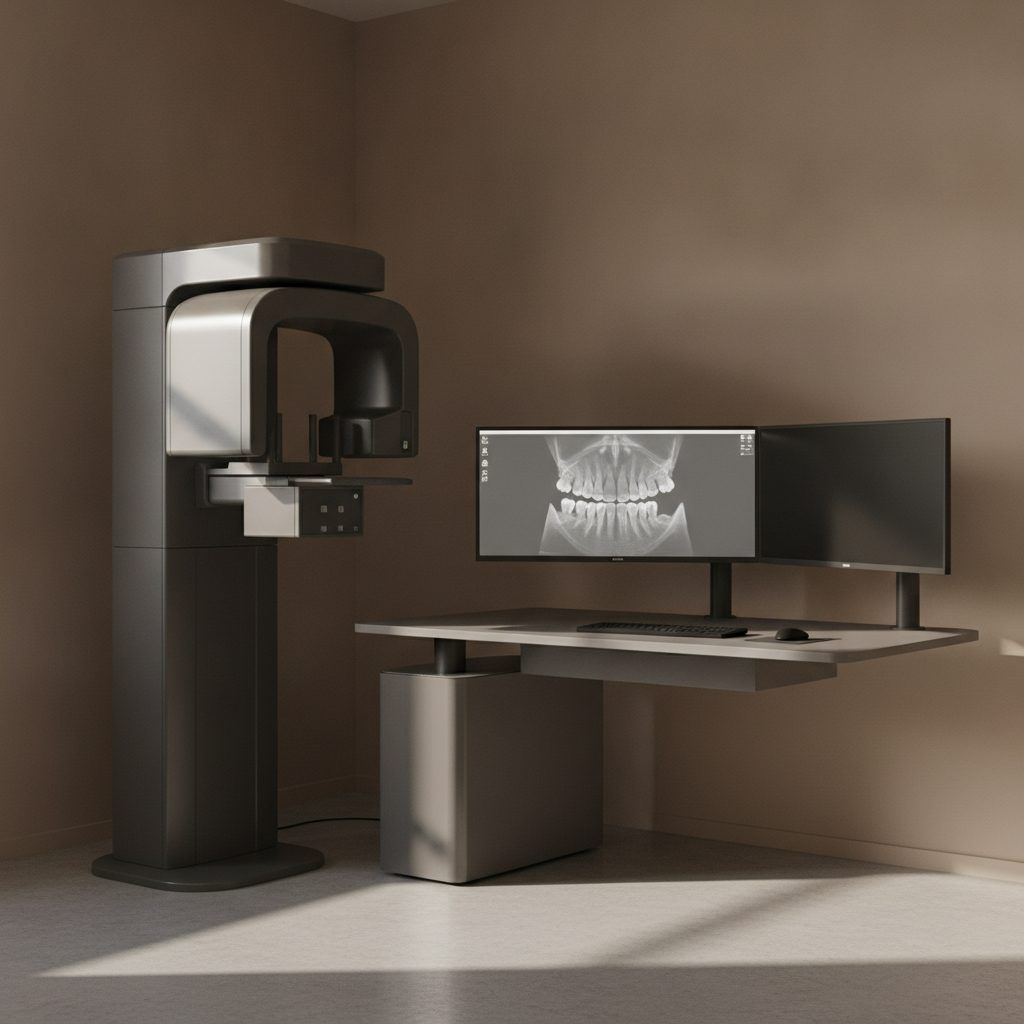
The pathway begins with a general dental assessment, where a dentist evaluates oral health, bone density, and suitability for different treatments. If implants appear medically justified, a referral is made to a specialist service, often within a hospital setting. From there, the process becomes more detailed and selective.
Specialist consultations typically involve imaging, risk assessments, and multidisciplinary review.
Initial examination with a general dentist.
Consideration of alternative treatments first.
Referral to a specialist clinic if criteria are met.
Advanced imaging and clinical review.
Final decision based on medical necessity.
By the numbers
Age that neither qualifies nor excludes you on its own
Clinical need is the deciding factor
How long waits can sometimes extend
Depends on demand and local services
Typical steps from dentist to final decision
Referral process, listed above
Stop 3 of 8

When implants are approved under the NHS, they fall within standard dental charge bands, meaning the patient pays a fixed contribution rather than the full procedure cost. This makes the NHS implant cost significantly lower than private treatment, where pricing reflects materials, expertise, and surgical complexity.
Private implant costs can vary widely. A single implant may range from several thousand pounds, while full mouth comparisons often reveal private totals reaching tens of thousands. The NHS price, by contrast, is capped within the system's fee structure, provided the treatment is approved.
Chart
| Question | NHS | Private |
|---|---|---|
| Who gets it | Approved cases of clinical need | Anyone who chooses to pay |
| What you pay | Fixed contribution within standard charge bands | Full procedure cost |
| Typical scale | Capped within the fee structure | Several thousand pounds per implant; tens of thousands for full mouth |
| What sets the price | The system's fee structure | Materials, expertise and surgical complexity |
| Summary of the article's comparison. Not a price list. | ||
Stop 4 of 8
Full mouth reconstruction using implants is rarely funded through the NHS. The scale, cost, and complexity of such treatment place it outside standard provision unless tied to exceptional clinical circumstances. Most patients requiring multiple tooth replacements are directed toward dentures or partial prosthetics.
Even in cases where implants are approved, they may be limited in number, supporting a denture rather than replacing every tooth individually. This hybrid approach balances function with cost efficiency but differs from the full fixed solutions often marketed privately.
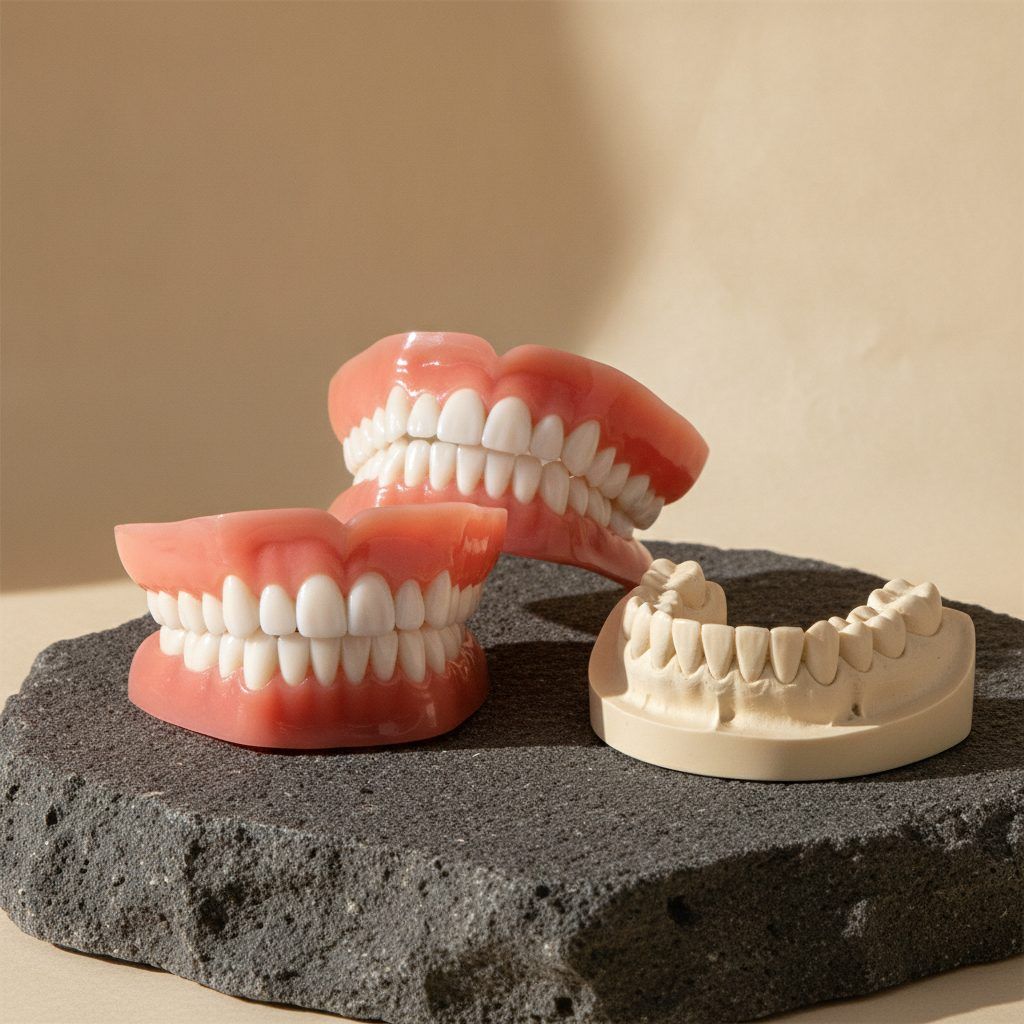
Where most patients needing multiple replacements are directed.
A limited number of implants holding a denture.
Full mouth reconstruction, often marketed privately.
Stop 5 of 8
Same day dental implants, sometimes called immediate load implants, are designed to place a temporary tooth at the same time as the implant. While appealing for convenience and aesthetics, this approach is typically found in private care rather than NHS settings.
The NHS prioritizes predictable, staged treatment plans, especially for complex cases. Immediate solutions carry additional risks and require specific conditions, including strong bone support and careful case selection.
Same day dental implants are generally offered as a premium option outside publicly funded pathways.
Strong jawbone density and stability.
Single tooth replacement cases.
Patients seeking minimal downtime.
Clinics with advanced surgical capability.
Stop 6 of 8

When implants are not approved, financial barriers can feel substantial. However, there are forms of support that may reduce the burden. Some individuals qualify for partial or full exemption from NHS dental charges, while others explore structured payment plans or charitable assistance.
Search interest in government grants for dental implants in the UK and dental grants for low income adults reflects a growing demand for accessible funding options.
Based on income or benefits.
Offered by private clinics.
Groups supporting dental care.
With limited funding support.
Before you go
Stop 7 of 8

Access to specialist implant services can vary by region, and larger cities often host more referral centres. Those searching for NHS dental implants in London may find a higher concentration of hospital-based services, though demand is also greater. This can lead to longer waiting lists despite broader availability.
Local commissioning decisions influence what treatments are offered and under what conditions. As a result, eligibility and waiting times can differ depending on where a patient lives.
Factors That Affect Regional Access
Stop 8 of 8
Dental implants occupy a complex space between medical necessity and quality-of-life improvement. Within the NHS framework, access is carefully controlled, ensuring resources are directed toward the most critical cases. For many over 60, this means exploring a mix of public and private options while weighing cost, comfort, and long-term outcomes.
The language around dental implants NHS cost, dental implant assistance, and financial assistance for dental work reflects a broader shift toward transparency.
Questions people ask
No. Age does not automatically qualify or exclude anyone. The deciding factor is whether implants are considered medically necessary, for example after severe trauma, cancer reconstruction or when dentures cannot be tolerated.
Waiting times can be significant, sometimes extending over a year, depending on demand and local service availability. Approval is not guaranteed, even after referral.
Direct grants for implants are limited. NHS charge exemptions based on income or benefits, clinic payment plans, charities and local initiatives may still help with dental costs.
With a general dentist. They carry out the first assessment and make any referral to a specialist service.
Destination
Implants through the NHS are reserved for clinical need, not age. For most people over 60, the realistic route is an assessment, alternatives first, and a careful look at private costs and financial help.
Educational only. FactAvenue explains options in plain language. It is not medical or financial advice. Speak to a dentist about your own treatment.