Check it yourself
Simple checks that rule out preventable causes.
- Thermostat on "cool", fresh batteries
- Reset a tripped breaker once
- Replace a clogged filter
- Clear debris around the outdoor unit
Clear facts for everyday decisions
Auto · Money · Health · Work · Travel

What would you check first if your air conditioner suddenly stopped working on a sweltering day? Small oversights often trigger bigger service calls, and a few simple checks can save time, money, and unnecessary stress.
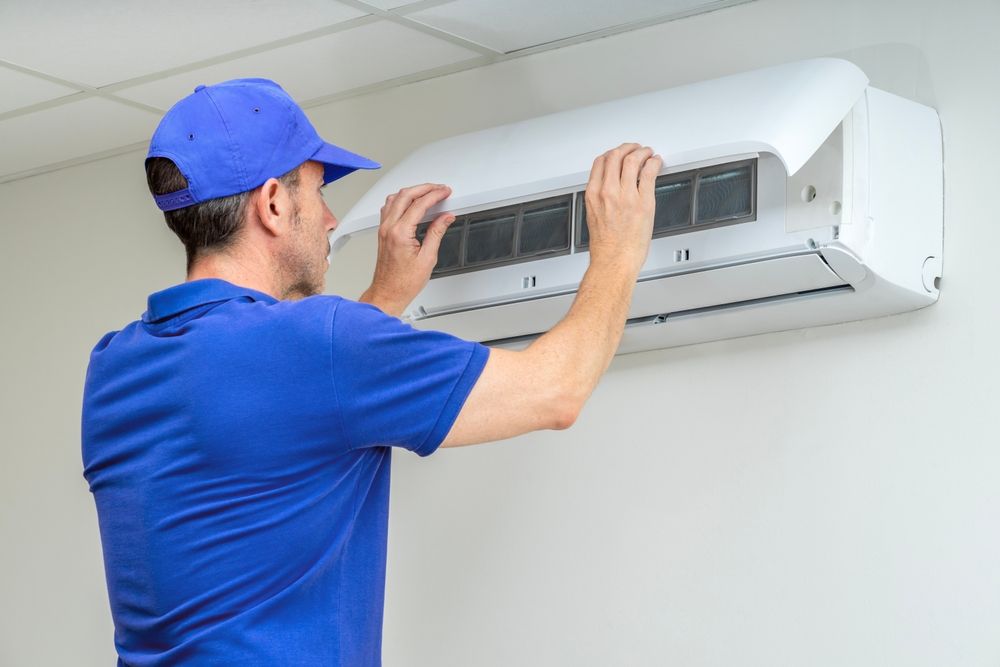
At a glance
What would you check first if your air conditioner suddenly stopped working on a sweltering day? Small oversights often trigger bigger service calls, and a few simple checks can save time, money, and unnecessary stress. Before scheduling central air repair, it's worth understanding how your system behaves, what signals matter, and when a quick fix might already be within reach.
Route map
Stop 1 of 9

When an air conditioning system fails, the issue often begins with something deceptively simple. The thermostat acts as the command center, and even minor misconfigurations can prevent the entire system from turning on.
Power supply is another frequent culprit. Thermostats that rely on batteries can quietly lose charge, while hardwired units may still depend on circuit continuity to operate correctly. These small disruptions can create confusion that leads homeowners to assume a much larger mechanical problem exists.
Verifying these basics helps eliminate false alarms and ensures that any technician you call is addressing a genuine system issue rather than a preventable oversight.
Before you go
Stop 2 of 9
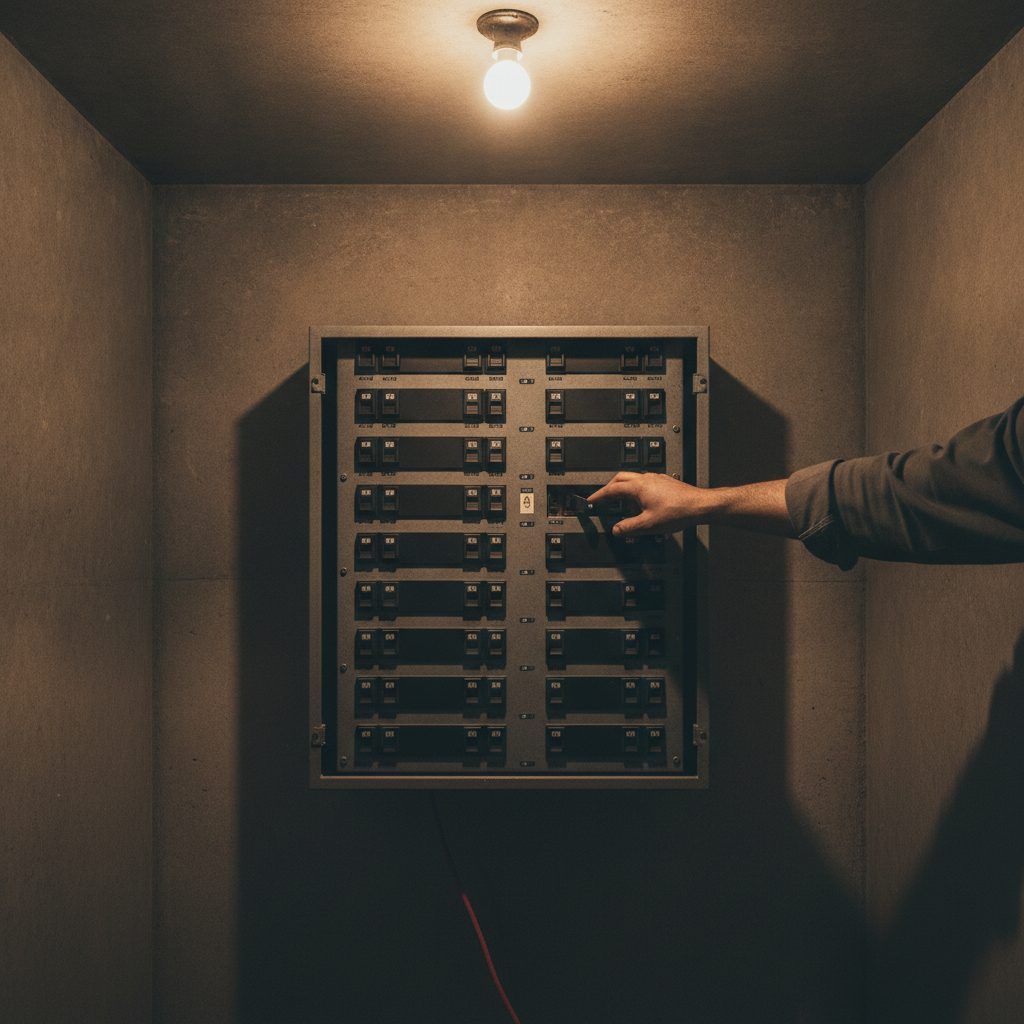
Electrical interruptions can instantly shut down an air conditioning system, often without any visible signs. A tripped breaker may occur after a power surge, an overloaded circuit, or even normal wear on electrical components. When this happens, the system will appear completely unresponsive.
This step is particularly important before searching for the closest air conditioning repair, as it can quickly rule out one of the most common and easily fixable causes of system failure.
Decision path
Stop 3 of 9
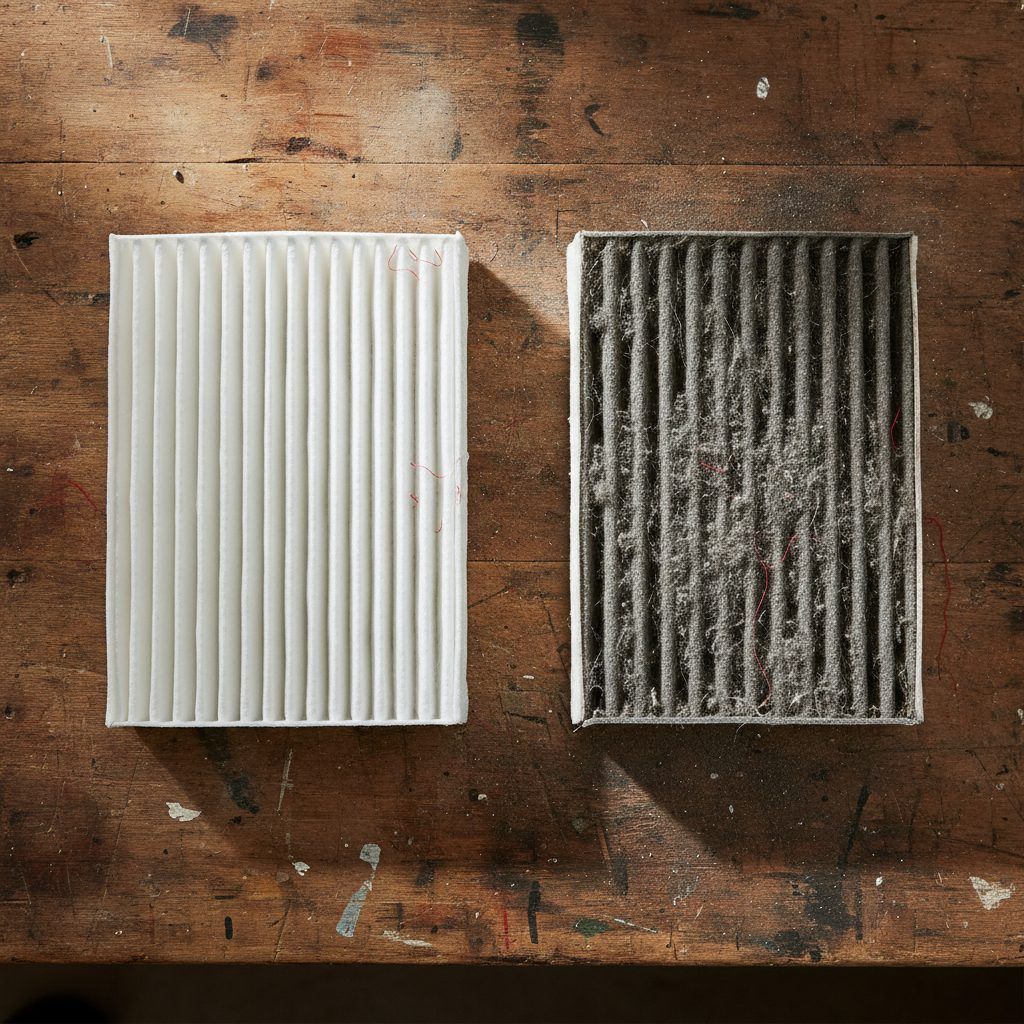
Airflow restrictions are one of the most underestimated causes of poor AC performance. A clogged filter forces the system to work harder, reducing efficiency and increasing the likelihood of overheating or freezing. Over time, this strain can lead to more serious mechanical failures.
A dirty filter also affects indoor air quality, circulating dust and allergens throughout the space.
Routine filter checks can extend system life and reduce the need for urgent AC repair, especially during peak cooling seasons when systems are under constant demand.
Stop 4 of 9
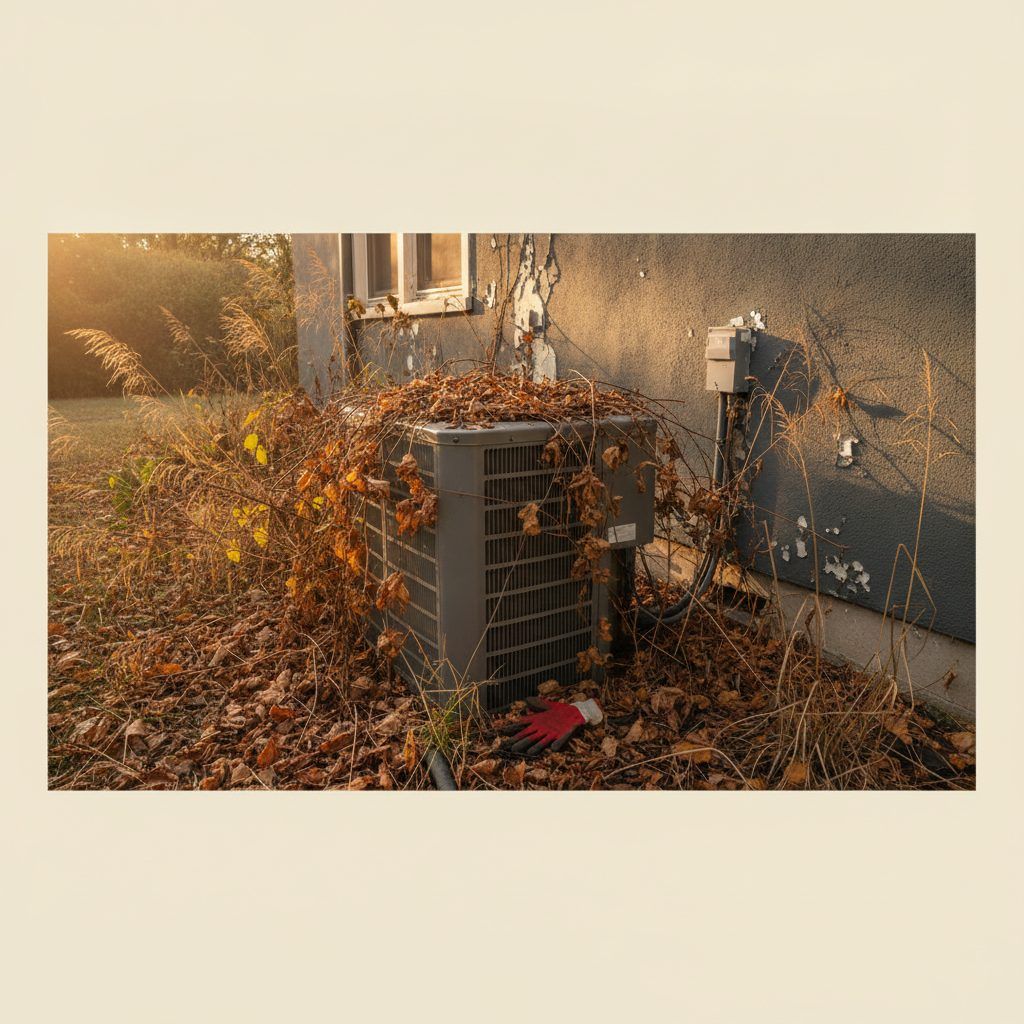
The outdoor condenser unit plays a critical role in releasing heat from your home. When it becomes obstructed by debris, vegetation, or physical damage, the system's efficiency drops significantly. This can cause the AC to struggle, overheat, or shut down entirely.
Noise is another key signal. Grinding, rattling, or buzzing sounds often indicate mechanical wear or loose components.
While some outdoor noise is normal, changes in sound patterns should not be ignored.
Keeping the area around the unit clear allows proper airflow and helps prevent unnecessary service calls. It also ensures that when you do seek same day AC repair, the issue is accurately diagnosed without interference from external factors.
Stop 5 of 9
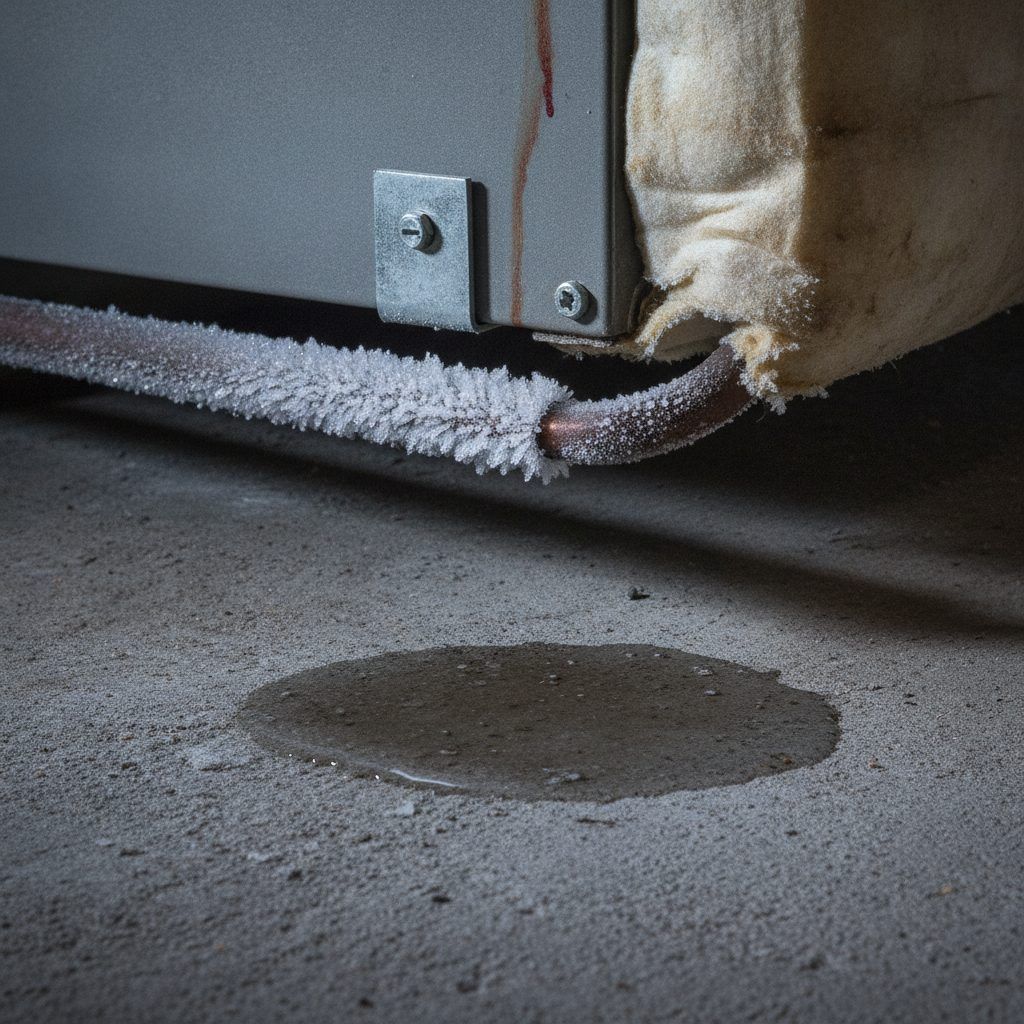
Indoor components can reveal early signs of system stress or failure. Frozen refrigerant lines, for example, often indicate airflow issues or low refrigerant levels. Water leaks may point to a clogged drain line or condensation problems.
These signals provide valuable insight into whether the issue is minor or requires immediate attention. Catching them early can prevent escalation and reduce the need for after hours air conditioning service, which often comes at a premium.
Symptom finder
The unit will not turn on at all
Check that the thermostat is set to "cool" and has power (Stop 01), then look for a breaker in the "off" or middle position (Stop 02). If it still will not turn on, this is one of the situations that requires immediate repair.
Check firstWeak or reduced airflow from vents
Reduced airflow and uneven cooling between rooms are indicators of a clogged filter (Stop 03). Weak airflow despite the system running is also an indoor red flag worth watching.
Check firstIce forming on refrigerant lines
Frozen lines often indicate airflow issues or low refrigerant levels. Refrigerant leaks are not a DIY repair, and ice buildup is one of the situations that requires immediate repair.
Call a proWater pooling around the unit
Water leaks may point to a clogged drain line or condensation problems. Water leaking heavily calls for immediate repair.
Call if heavyA strange or persistent smell
Musty smells can suggest mold buildup. A burning smell may indicate electrical concerns and is a reason to call for immediate repair.
Burning: call nowGrinding, rattling or buzzing outdoors
These sounds often indicate mechanical wear or loose components (Stop 04). Some outdoor noise is normal, but changes in sound patterns should not be ignored.
Watch closelyStop 6 of 9
Not every issue should be handled without training. Some AC problems involve pressurized systems, electrical components, or specialized parts that require proper tools and certification.
Professional technicians are equipped to diagnose complex issues and ensure repairs meet safety standards. This becomes especially important when searching for ac repair 24 hours or emergency ac service, where speed and accuracy are critical.
By the numbers
Breaker reset that is typically safe to try
Repeated trips need a professional, stop 02
Issues that should not be DIY repairs
List in stop 06
Situations that require immediate repair
List in stop 07
Stop 7 of 9
Some situations demand urgent attention. When an AC system fails during extreme heat, delays can quickly become uncomfortable or even unsafe. Certain warning signs indicate the need for same day AC repair or ac repair same day services.
Acting quickly in these scenarios can prevent further damage and reduce the overall cost of repairs.
Emergency response services are designed to address these high-priority issues efficiently.
Simple checks that rule out preventable causes.
Pressurized, electrical or specialized parts.
High-priority signs, especially in extreme heat.
Stop 8 of 9
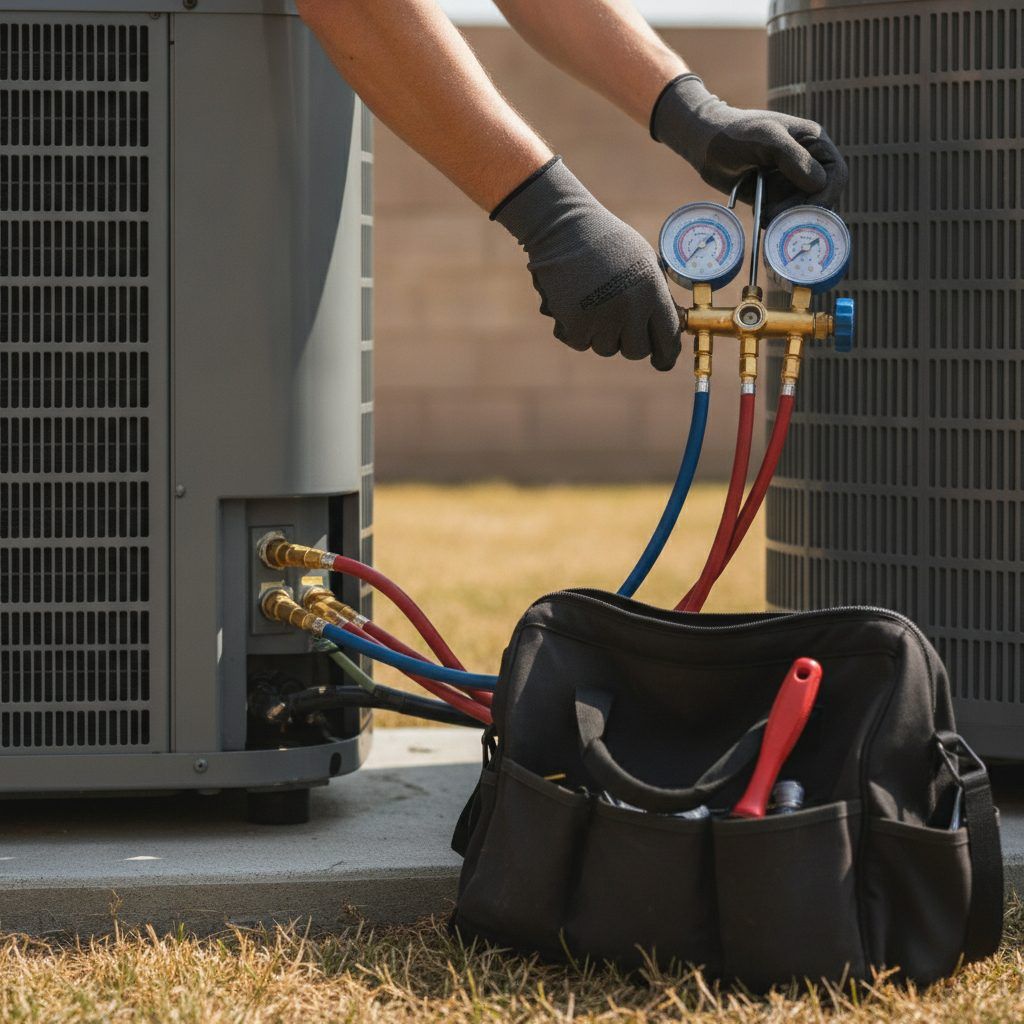
Choosing the right professional is just as important as identifying the problem. A licensed HVAC technician ensures that repairs are performed safely and correctly, protecting both your system and your investment. Availability also matters, especially when searching for 24 ac repair or urgent AC repair services.
Service providers often vary in response time, pricing, and expertise. Some specialize in residential systems, while others offer broader coverage, including after hours air conditioning service. Comparing options helps ensure you receive both quality and value.
Proper licensing and insurance come first.
Clear pricing and estimates before work begins.
Availability for same day or emergency calls.
Positive customer reviews from past jobs.
Clear communication and diagnostics.
Stop 9 of 9
Understanding what to check before scheduling service creates a more informed and confident approach to AC repair. Small steps like verifying thermostat settings or replacing a filter can resolve issues immediately, while deeper insights help you recognize when professional help is truly needed.
This balance between awareness and action can reduce unnecessary costs.
It also ensures that when you do call for emergency ac service, it's for the right reasons, and it positions you to work more effectively with technicians, leading to faster resolutions and better long-term performance from your system.
Destination
Most false alarms start with a setting, a breaker or a filter. Ruling them out means any technician you call is working on a genuine system issue.
Educational only. FactAvenue explains options in plain language. It is not professional repair or electrical advice; leave pressurized and electrical work to a licensed technician.